The Driver and Vehicle Licensing Agency (DVLA) is prioritising driving licence applications needed for employment purposes as it continues to face long waiting times, particularly for cases involving medical conditions.
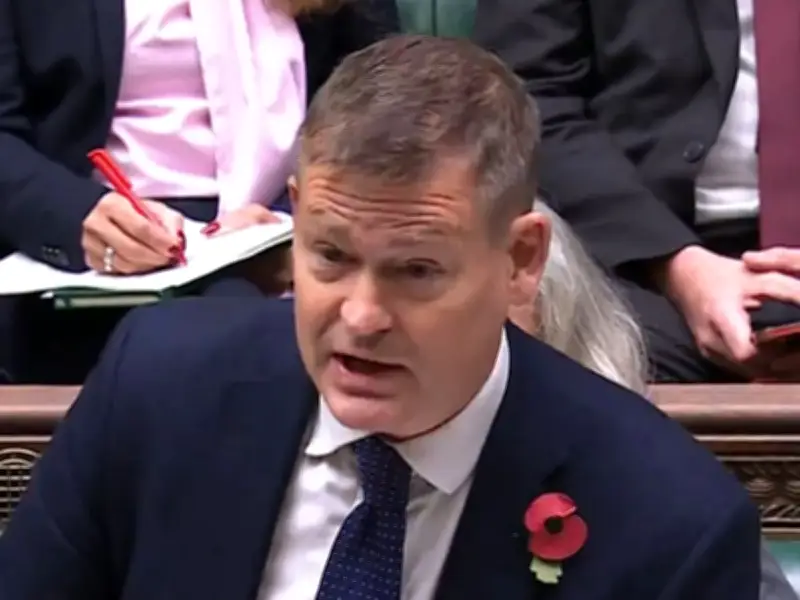
Transport minister Justin Madders confirmed the move in a parliamentary response on Friday, November 6, following a question from Reform's Ashfield MP Lee Anderson about recent correspondence with the DVLA regarding waiting times for applications involving medical conditions.
Rising demand and new measures
The Department for Transport, which speaks for the DVLA in parliament, announced four changes to speed up the system: text notifications for drivers, a new casework system, a digital portal, and the recruitment of extra staff. Despite these measures, waiting times remain a concern.
According to the RAC, more than two million people with a medical condition are recorded with the DVLA. Some driver applications require regular renewal; a Group 2 licence for lorry or bus drivers is valid for five years or until age 45, whichever comes first, and after 65, it must be renewed annually.
Medical case backlog
Dr Nick Jenkins, who has worked with the DVLA on such assessments, said: "We may issue a short-term licence (1 to 5 years) if you've got a medical condition considered to be progressive. This is because we'll need to assess the ongoing stability of the condition or consider the risk of recurrence of an episode being below a certain threshold."
In September 2026, the average time to make a licensing decision for Group 2 vocational licences where a medical investigation was involved was 55.8 working days. This figure is higher than all but one month in 2025 and is the third highest monthly figure so far this year. The average number of working days to make a licensing decision in medical cases was 62.3 working days so far this year.
Mr Madders said: "Ministers receive regular updates from the Driver and Vehicle Licensing Agency (DVLA) on the timescales for driving licence applications involving medical conditions. There has been sustained growth in the volume and complexity of medical driving licence applications which has increased waiting times for some customers. The Government recognises that further improvement is needed and plans are in place to address this."
He added: "To improve its services, the DVLA has introduced a new casework system and launched a new medical services portal which means that most customers can now apply online through the DVLA's driver and vehicles account. These enhancements alongside the recruitment of additional staff to deal with these applications and answer telephone calls will deliver real improvements for customers. In September 2026, the average time to make a licensing decision for Group 2 vocational licences where a medical investigation was involved was 55.8 working days. When the DVLA is made aware that an application is required for employment purposes, the application will be prioritised where possible."
Impact on drivers
There are 280,000 lorry drivers in the UK whose jobs keep shops and businesses stocked, but they need their licences renewed quickly to avoid hold-ups. The medical standards for this group are much higher, according to official documents.
Motorists under 70 must renew their licence every 10 years, after which the period falls to every three years. Conditions that may need to be reported to the DVLA include diabetes or taking insulin, glaucoma, strokes, epilepsy, heart conditions (including atrial fibrillation and pacemakers), syncope (fainting), and sleep apnoea.