
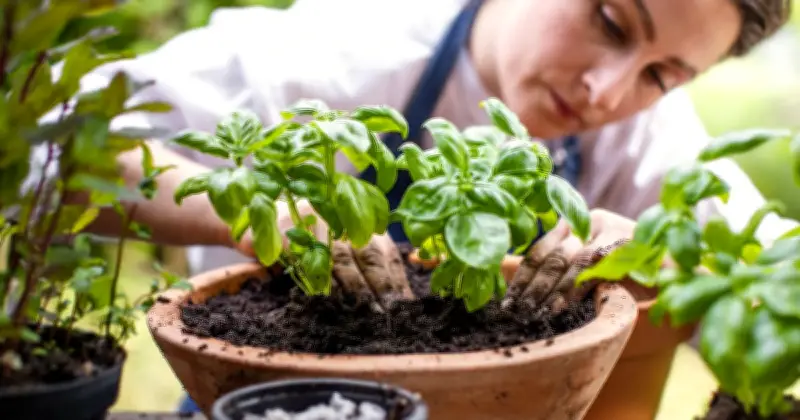
Basil and mint will grow bigger and bushier this summer with one essential task done now. Herbs are a great addition to any garden, and with some simple care, they can be continuously harvested throughout the summer.
Why Fresh Herb Plants Are a Smart Choice
When it comes to preparing a homemade meal, having fresh herbs readily available can instantly elevate any dish. While fresh herbs are reasonably priced in most UK supermarkets, they tend to deteriorate rapidly and lose their flavour. By contrast, whole herb plants often prove a more economical and eco-friendly choice over time, and are equally accessible in UK supermarkets. Although they are typically sold as a single plant in one pot, you can effortlessly separate the plant and repot them individually for enhanced growth, which will also help them thrive for longer. They are also an easy-care addition to any vegetable patch or garden, and if you plant them now, they can be harvested continuously throughout the summer months and incorporated into numerous fresh dishes, from salads to pasta creations and delicate tarts.
The Crucial Pruning Step Gardeners Often Miss
However, there is one crucial step you should be taking to ensure your herbs keep growing fuller and more abundant so you can maximise their potential. One gardener has revealed what you should be doing with herb plants to get even more from them and prevent them becoming leggy and sparse in a video shared on TikTok.
Lee Bestall, who operates the social media account @thenortherngardener, explained there is one essential trick gardeners should know when it comes to harvesting herbs this summer. Like any plant, herbs require pruning, but he cautioned gardeners against doing one particular thing.
Don't Just Pick the Tops
"Here's the trick: don't just pick the tops. If you only ever snip the soft tips for cooking, you'll end up with leggy, straggly stems that look sad and taste worse," he said. While the thrill of watching herbs burst into bloom may put you off cutting them back, leaving plants untended will cause them to become stalky and begin to flower, after which they lose all their culinary appeal.
Instead, Lee urges gardeners to be "bold" when pruning their herb plants to prevent "stalky looking plants" from developing. Even though you may only require "those beautiful new tips" for use in the kitchen, it is essential to keep trimming the plant back to guarantee a continued and plentiful harvest.
How to Prune Herbs Correctly
To achieve this correctly, Lee recommends "taking off what you need to use as herbs but also cutting back quite hard, almost to ground level", ensuring this is done evenly so that plants are able to keep regenerating. Repeating this process "right through the summer" will stimulate fresh growth to return within just a few weeks, stopping plants from going woody and stalky and ensuring herbs "taste good all season".
Benefits of Hard Pruning
This method might look drastic at first, but it encourages the plant to regenerate with fresh, vigorous foliage in just a matter of weeks. You will get bushier plants, longer harvest windows, and herbs that actually taste good all season. And you can keep repeating the process — cut back, regrow, repeat — to enjoy lush growth right through the summer. So don't baby your herbs. Be harsh, and you will be handsomely rewarded.




