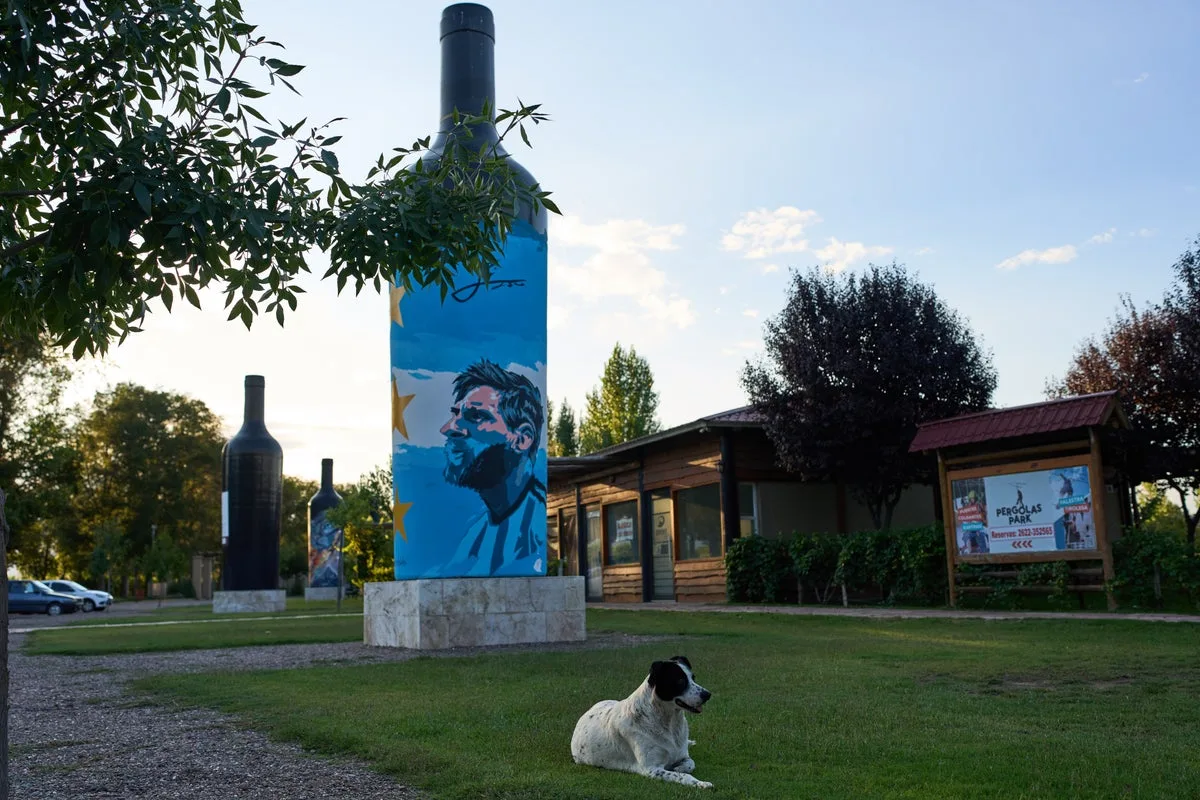
Argentina's wine industry is facing its worst crisis in over 15 years, with domestic consumption projected to hit an all-time low of 15.7 litres per person in 2025, according to the National Institute of Viticulture (INV). This marks a dramatic fall from 90 litres per person in 1970.
The crisis has already led to the closure of 1,100 vineyards nationwide, with 3,276 hectares of grape production lost. Fabián Ruggieri, president of the Argentine Wine Corp trade group, attributes the decline to a sharp drop in purchasing power since 2023, particularly affecting middle- and low-income daily wine drinkers.
Changing consumer tastes are also a factor. Federico Gambetta, director of Altos Las Hormigas winery, notes that younger generations prefer lighter, fresher wines like whites and rosés, moving away from the traditional high-alcohol reds. His winery has adapted by modifying its wines to appeal to this new demographic.

Exports offer little respite. Argentina, the world's 11th largest wine exporter, saw exports fall to 193 million litres in 2025, a 6.8% year-on-year decline and the lowest since 2004. High logistics costs, financing issues, and tariffs of 10-20% in most markets hamper competitiveness, unlike Chile which benefits from free trade agreements.
Inflation further pressures producers. Gabriel Dvoskin, owner of Canopus winery, says high production costs make Argentine wines expensive compared to international competitors. “My equivalent in France has a much lower cost for dry inputs — bottles, corks, etc. — than I do,” he said.
Despite the challenges, Gambetta emphasises the importance of quality: “Right now, everything is very delicate, and one wrong step can bankrupt you.” The industry must adapt to survive, he warns.