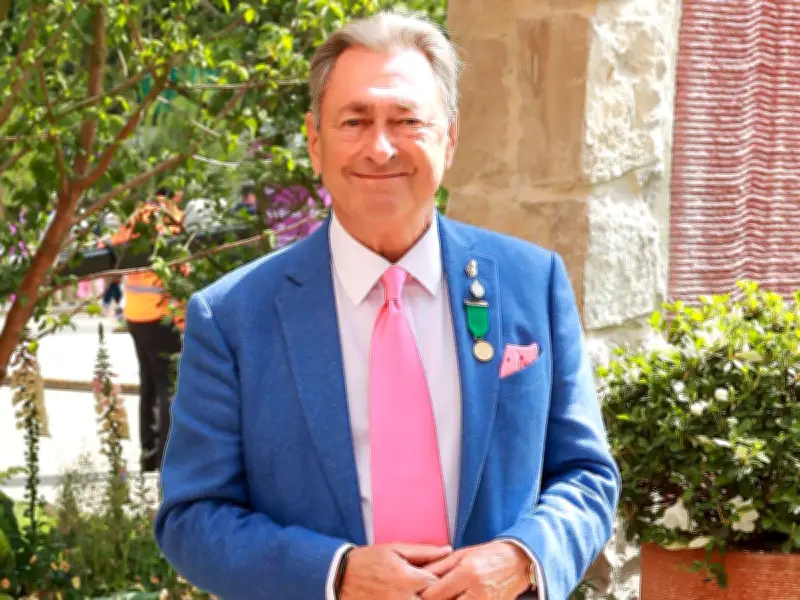
Alan Titchmarsh has revealed three simple steps to help gardeners make their outdoor spaces "more friendly to all forms of wildlife." The renowned gardener and television presenter shared the advice in a video for the Royal Horticultural Society (RHS), offering practical guidance for creating a haven for insects, birds, and mammals.
Stop Using Chemical Sprays
Titchmarsh's first tip is to abandon chemical pesticides, insecticides, and herbicides. "Stop using sprays - start being organic," he said. "Don't use pesticides, insecticides, herbicides, anything with the 'cide' on the end of it. Allow nature to take a hold and you will find a natural balance occurs." This approach encourages beneficial insects and reduces harm to pollinators like bumblebees and ladybirds.
Grow a Wide Range of Plants
The second tip focuses on plant diversity. "Grow a wide range of plants rather than a concentration of any one thing in any one area," Titchmarsh advised. "Mix things up on your veg patch, grow flowers for cutting in between your lettuces and your onions." A varied garden supports more insect species and provides continuous pollen and nectar sources.
Don't Rely Only on Native Wildflowers
Finally, Titchmarsh challenged the assumption that only British native wildflowers are suitable. "I have a wildflower meadow - British natives. I also have flower borders with all kinds of plants in, with pollen and nectar that wildlife, insects in particular, love," he said. He noted that the number of insect species in his mixed borders exceeds that in his wildflower meadow. Longer grass and weeds like dandelions also provide cover and food for insects.