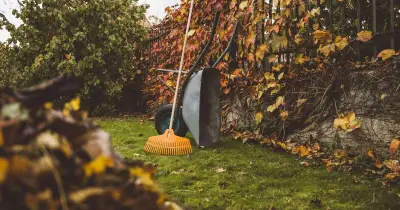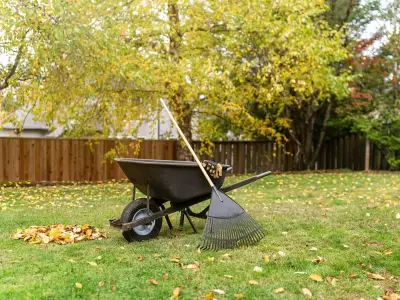
Gardeners who aerate their lawns in November can expect a healthier, lusher lawn next summer, according to a gardening specialist. The job helps prevent waterlogging, reduce moss and encourage thicker grass in spring.
Why November aeration matters
Craig Wilson, co-founder of Gardeners Dream, advises making sure you aerate your garden if you haven't done so already. He recommends using "an aerator or a garden fork to poke holes in the ground to allow for better drainage through the wetter months."
By taking this step, you'll ease winter compaction, prevent waterlogging and moss, and maintain root nourishment throughout the dormant season.
Other November garden tasks
November is also the moment to fill up any bird baths and feeders you have placed outside, Wilson explains, since it "not only does it get more difficult for birds to find food as the weather gets colder and many of their food sources start to die back, but encouraging them into your garden with fresh food and water will help to keep pests at bay too."
It's also an ideal time to plant tulip bulbs, winter bedding flowers such as pansies - which should be placed into well-prepared soil or pots with suitable compost - and apply mulch to provide additional protection from the cold.
Vegetables, fruit and protection
For those growing vegetables and fruit, Wilson suggests harvesting parsnips following the first frosts, noting, "And just in time for your Christmas dinner, your parsnips will be ready to be removed from the ground."
He added: "This month is a good time to plant your onions, shallots, and garlic. I'd recommend doing so in raised beds as these allow for better drainage."
If you're growing Brussels sprouts, Wilson recommends staking them as conditions become windier. "As we experience more wind, any top-heavy Brussels might be at risk of wind rock. To help keep them stable, add a cane to provide some additional support and keep them upright until Christmas."
Finally, fruit trees require protection from winter moths during this period, as they typically deposit their eggs amongst the foliage. "To make it harder for them to do so, pop some grease bands around the trunks to stop them in their tracks."