Gardeners must prune nine specific plants this month to ensure 'vigorous' growth throughout the summer, according to Hillier Nurseries and Garden Centres. Proper timing of pruning is essential for enhancing plant shape and promoting healthy development.
Key Pruning Tips
Using clean, sharp equipment is crucial to avoid harming plants and to allow proper recovery. The experts advise: "It is always advised to make a cut above a bud or set of buds, as that is where the plant will regrow from and avoid leaving a stem which could die back. Generally, a sloping cut away from the bud will shed water from the wound and assist healing. After pruning, it's sensible to sterilise your tools to ensure there's no cross-contamination of disease between plants."
Plants to Prune in July
Convolvulus
Trim this once flowering has finished. Cut back severely to maintain a neat, dense form.
Lavender
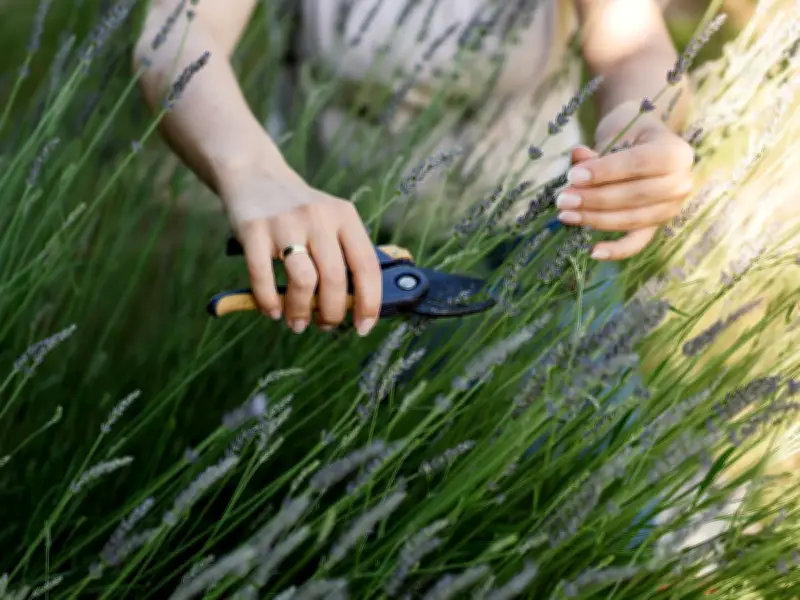
"Prune lavender to around 30cm from the ground once the flowers have gone grey. Cut it back to just below the flower stem but not as far as the bare wood," the experts said.
Philadelphus
Trim this plant following flowering, if necessary, removing approximately 20% of its stems down to ground level.
Wisteria
Give this climbing plant its summer prune by cutting back this year's lengthy, flexible shoots to roughly five or six leaves. This promotes flowering next season.
Weigela
This simple-to-grow shrub looks stunning in any garden. Older stems can be thinned out at this time of year to promote vigorous new growth.
Clematis
Early-flowering clematis varieties can be pruned once flowering has finished, where necessary, to manage their size or clear away any dead wood.
Hedges
For hedges such as box, July is the ideal month to maintain the shape you want and avoid them becoming leggy. Privet and yew can also be trimmed back to keep them tidy and promote dense, healthy growth.
Apple and Pear Trees
Apple and pear trees require summer pruning to keep growth in check and enhance fruit quality. Gardeners should focus on thinning out congested areas and removing any dead or diseased branches to achieve the best results.
Roses
Regularly deadhead repeat-flowering roses by cutting back to the first healthy outward-facing leaf in order to stimulate further blooms.