
From giant hogweed to deadly nightshade, these seven common UK plants can cause burns, blisters, or even death if touched or ingested. Learn to identify them.
Giant Hogweed
Giant hogweed resembles cow parsley with serrated green leaves and umbrella-like clusters of upward-facing white flowers, which can be as large as 60cm across. Once fully matured, the plant can reach up to five metres tall. According to experts, this plant is particularly dangerous in summer as it contains high levels of furanocoumarins – chemicals that make the skin highly sensitive to sunlight. Brushing against it can cause skin burning, blistering, and long-lasting scars.
Common Hogweed
Common hogweed looks very similar to giant hogweed and is typically found in grassy areas, hedgerows, and roadsides. It can grow to heights of one to two and a half metres tall. It has the same umbrella-like flowers and is a great plant for pollinators. However, like its cousin, common hogweed is toxic to skin when it comes into contact with sunlight. It is also toxic to animals. Handling this plant requires wearing gloves.
Stinging Nettle
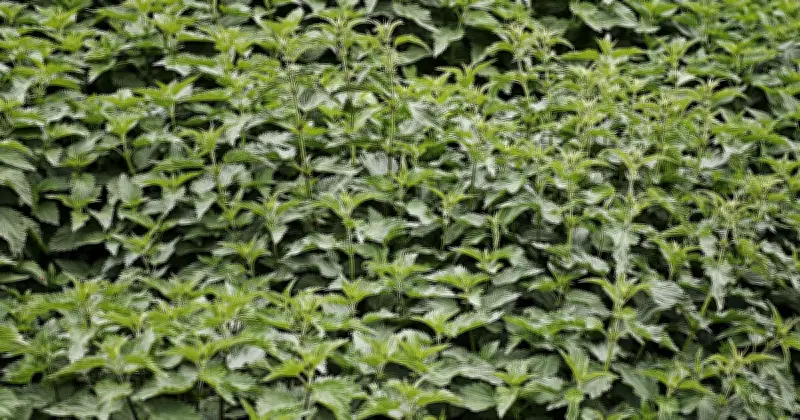
Stinging nettles cause pain and itching upon contact due to tiny hairs on their leaves. They are common across the UK and can be identified by their dark green foliage. They grow in patches of upright stems up to one and a half metres tall, with cream or brownish-green flowers from late spring to early autumn.
Poison Hemlock
Poison hemlock is a highly toxic plant that grows in damp conditions and along roadsides in the UK, though it is rarer in Scotland and Ireland. It can be identified by its reddish-purple splotched stems and distinctive mousy smell. If ingested, hemlock causes slow muscle paralysis and ultimately death by suffocation.
Bittersweet Nightshade
Bittersweet nightshade is beautiful but dangerous. It is identifiable by its purple flowers with yellow centres that develop into green, then red berries. The plant has tri-folate leaves and grows up to two and a half metres tall. If consumed, it can cause severe gastrointestinal issues due to its high toxicity.
Deadly Nightshade
Every part of deadly nightshade is poisonous, but its black berries are especially dangerous as they resemble edible bilberries. It can be identified by its oval-shaped leaves and bell-shaped purple and green flowers. It grows commonly in scrubby areas and woodland, as well as along paths and banks, mostly in the southern half of the UK.
Thorn Apple
Thorn apple is a fast-growing plant that can reach heights of up to one and a half metres during a long, hot summer. It is identifiable by its exotic-looking leaves with wavy, pointed edges and wide, funnel-shaped flowers that bloom from July to October in white or occasionally purple/lilac tints. It also produces large, spiky seed capsules. The entire plant is toxic and must not be consumed.




