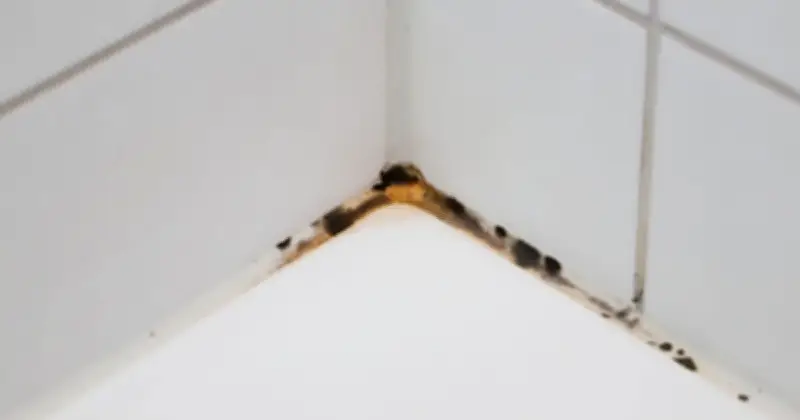
Mould will disappear from silicone sealant with a 65p natural ingredient, a kitchen cupboard staple being hailed as the best remedy to combat black mould on silicone sealants.
Why Silicone Sealants Attract Mould
Showers, bathtubs, and windows are all outfitted with silicone sealants, an adhesive used to create airtight and watertight seals. These areas frequently suffer from moist, damp conditions and soap deposits, creating the perfect breeding ground for mould. Cleaning experts at Drench explain: “Silicone sealant can be a haven for mould due to its porosity and use in areas regularly exposed to water. Mould in silicone is not only an eyesore but also bad for your health.” Mould growth on silicone sealants eventually turns them black, causing them to become unsightly.
The Affordable Natural Remedy
While several mould removal sprays are available in supermarkets, they often contain bleach, which is not always the safest option. Luckily, there are super affordable natural remedies effective in the fight against mould. One such remedy costs just 65p and is hailed as one of the top methods to fix the problem. 200g of baking soda or bicarbonate of soda costs just 65p at Tesco and is an excellent kitchen cupboard staple to employ against mould and remove black spots on silicone sealant.

Step-by-Step Mould Removal Method
UK sealant company GT Sealants shared their top tip on how to remove black mould from silicone sealant with a ‘quite easy’ process involving baking soda. The experts explain that all you have to do is create a paste using baking soda. Labelling it an “excellent, convenient, and cheap” item to use, they detailed how mixing baking soda with water is “perfect for removing black mould”.
- Take two or three teaspoons of baking soda and mix with one cup of room temperature water to create a consistent paste.
- Use a piece of cloth to take out a small scoop of the paste and apply it to the affected mouldy areas of your silicone sealant. It is recommended to wear gloves during application to avoid touching mould-infested areas.
- Leave the paste on for at least five minutes. You can wrap the sealant in cling film to retain moisture and boost the paste’s efficacy.
- After five to ten minutes, remove the cling film and use a stiff brush or an old toothbrush to clean away the black mould.
- Rinse the sealant with cold water and a sponge to ensure every bit of mould is treated.
The process may need to be repeated a couple of times if the mould stains are stubborn. Repeated treatments should do the trick. The experts note: “The baking soda mixture needs some time to settle on the black mould and do its work.”
Preventing Future Mould
After all the black mould has been successfully removed, it is crucial to dry the silicone with a dry towel or cloth. Often, people forget or skip this step, but if left moist and damp, mould will cyclically form again. The experts rule that drying the silicone “prevents any more mould from forming”.