
A squeaky bed can turn the joy of fresh sheets into a nightly annoyance, but a low-cost fix may be at hand. Bedding retailers Sonno and Time4Sleep say the issue is often joint friction, and lubricating them can help. A bar of soap can sometimes be used, provided you’re careful and avoid metal parts.
Soap and wax as lubricants
Sonno explains: "We recommend lubricating the joints using WD-40 if you have metal joints. For wooden frames, consider using any wax you have lying around, such as beeswax or candle wax. If you’re feeling creative, you can try a bar of soap. It works like a charm in most circumstances, too! Only for wooden frames."
Time4Sleep also suggests using wax. It adds: "If you’re still plagued by creaking after tightening up any loose bolts, applying some wax to lubricate the area could be just the ticket. WD40 or other specialist products of the same ilk should do the trick. All you need to do is simply apply the wax to the affected area to see whether that solves your unpleasant noise issues."
A bar of soap can be picked up in the likes of ASDA for just 35p.
Why does my bed squeak?
According to Bensons for Beds, a squeaky bed usually has one of four culprits: loose joints or bolts, parts of the frame rubbing together (wood on wood or metal on metal), a worn mattress with tired springs, or creaky/uneven floorboards, which you can check by moving the bed and seeing if the noise changes position.
If the soap trick doesn't work
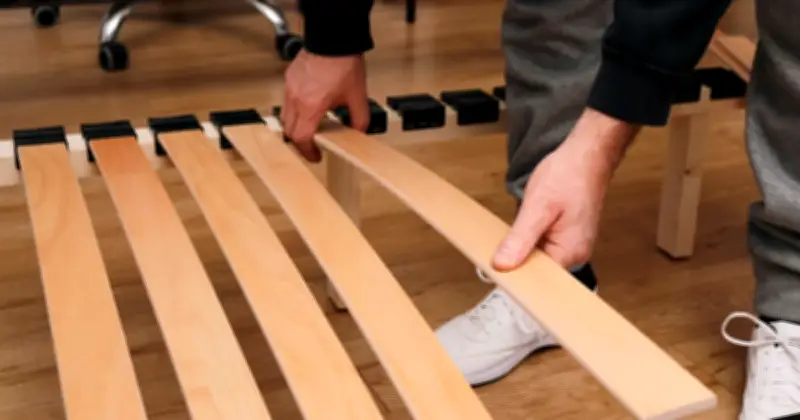
If the soap trick hasn't helped, Bensons for Beds notes that you can try the following: check the slats are sitting correctly in their holders and aren’t cracked or warped. Put any that have shifted back into place, and replace any that are worn or damaged. If wood is rubbing against wood, slot in a bit of felt or rubber padding to stop the friction. Even a folded piece of fabric between the slats and frame can help quieten things down. For metal frames, a quick spray of WD-40 on the joints can make a big difference. If your mattress is making more noise than it is providing comfort, try rotating it - and flipping it if it’s designed to be turned - or consider replacing it. Not all mattresses are double-sided, so check the label first as some are made to be slept on one side only. Grab a spanner or screwdriver and check the bed frame all over. Tighten every bolt, particularly around the headboard and footboard, because even a slight looseness can cause a surprisingly loud creak.




