
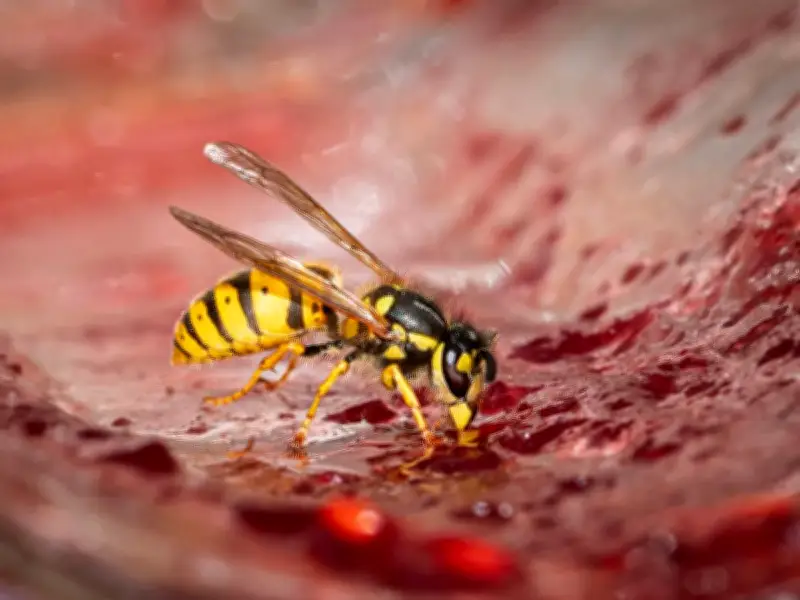
Wasps are at their most active during August and September, when colony numbers and foraging activity reach their peak. At this point in the year, worker wasps are out searching for sweet foods and sugars because their natural insect prey has dwindled, making them increasingly persistent and aggressive when it comes to descending on your food and drinks.
Unlike flies, wasps can't simply be swatted away. The insects are confrontational and can sting if they feel threatened, so attempting to drive them off can be difficult if you'd rather not risk getting hurt.
Gardening expert recommends thyme
According to one gardening expert, there is a straightforward solution to keep wasps at bay this summer. All you need is a single plant that can be picked up at any garden centre for as little as £3.
Parkers Garden Company, a family-run garden centre, shared a video on Instagram in which they recommended that households consider purchasing a plant from the Thymus family, more commonly known as the herb thyme.
The expert in the video said: "Next time you're at home, and you're going to have a barbecue, or maybe some friends round for dinner, why not put a small pot of Thymus on the table, or keep it there all summer?"
"Thymus, like eucalyptus, is a wasp repellent. One of the best things at this time of year. Always good to eat without the company of insects."
How thyme works
Thymus is a genus of flowering plants belonging to the mint family Lamiaceae, and the culinary herb thyme is obtained from these plants by drying out their aerial parts. The most widely grown variety, Thymus vulgaris, is commonly referred to as common thyme, and typically retails for around £3 at garden centres - though prices may differ.
Wasps are repelled by the powerful aromatic oils contained within thyme. The intense fragrance disrupts their sense of smell, which they rely upon to navigate and find food, so positioning it on your table near the barbecue can help keep them at bay. Placing the plant on your outdoor table or growing it in your flowerbeds can serve as a natural method of deterring wasps and other unwanted pests, especially if you'd prefer to avoid chemical repellents.
Other natural wasp deterrents
If you're looking for other natural solutions to rid your home of wasps, try these remedies:
- Soapy water: Mix some washing up liquid with water in a spray bottle. Spray active wasps or saturate small nests directly. The soap blocks their breathing pores and kills them fast.
- Essential oils: Wasps hate the smell of essential oils like peppermint, clove, or geranium. Add these oils to your soapy water mix and spray it around door frames and outdoor ledges to deter wasps from building nests.
For those simply wanting to keep wasps away from food in the short term, options such as wiping down garden furniture with water blended with essential oils or cultivating plants like mint, basil, or lemongrass are well worth considering.




