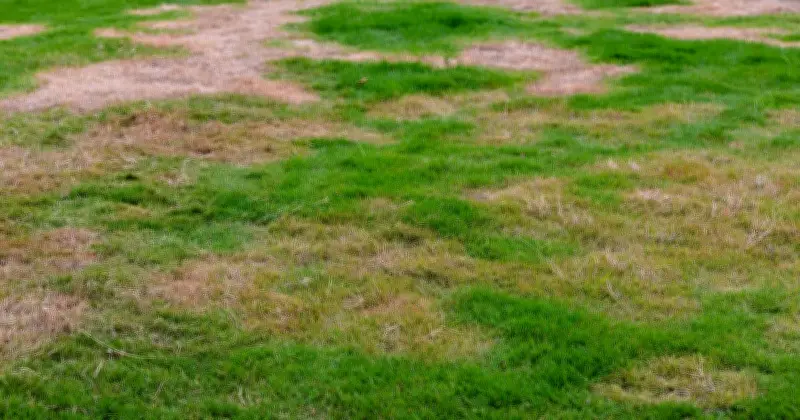
Gardening expert and TikTok creator Michael Griffiths has shared a concise list of lawn care tasks that gardeners should complete before October ends, as this month is the last opportunity to carry them out this year. These jobs help prepare lawns for winter and eliminate unsightly brown patches on the grass.
Why October Is the Last Chance for Lawn Care
As temperatures drop and leaves change, autumn provides a cooler environment for gardeners to prepare their gardens for winter. While it may be tempting to stay indoors, October offers a great opportunity for essential maintenance. Griffiths urged gardeners to focus on three key jobs: aerating, scarifying, and overseeding.
Aerating to Improve Soil Health
Aerating lawns helps prepare the ground for colder months by allowing air and moisture to penetrate the soil. Gardeners can use an aerator or a simple garden fork to poke holes directly into the soil, aiding water drainage. The fork should be plunged firmly into the ground to a depth of approximately 4 to 5 inches, then pulled back without removing it entirely. This process can be repeated every six inches across the lawn. After aerating, the holes can be left empty or filled with horticultural sand to improve drainage.
Scarifying to Remove Thatch and Debris
Following aeration, gardeners should scarify the lawn using a normal garden rake or a scarifying rake. This involves pulling channels into the grass and soil, which removes layers of dead grass, moss, and debris. Scarifying machines use rotating blades to cut into the lawn, stimulating grass growth and improving airflow, water, and nutrient penetration to the soil.
Overseeding to Repair Patches
Once the ground is primed, overseeding can repair unsightly patches and promote grass growth. This simple process involves spreading grass seed directly onto the soil without digging. It helps fill thin or worn-out grass and creates a dense lawn that naturally blocks weeds and moss from taking root. While overseeding can be done throughout the year, autumn is ideal due to cool temperatures and natural moisture for germination.
Gardeners should also apply an autumn lawn feed, which is rich in potassium and phosphates, to encourage root growth rather than leafy growth. According to Gardeners' World, “Putting on root growth means the grass will be able to absorb more nutrients and water come the following spring, which will result in more leafy growth when you need it.” This helps strengthen roots and makes the lawn more resilient to winter weather.