
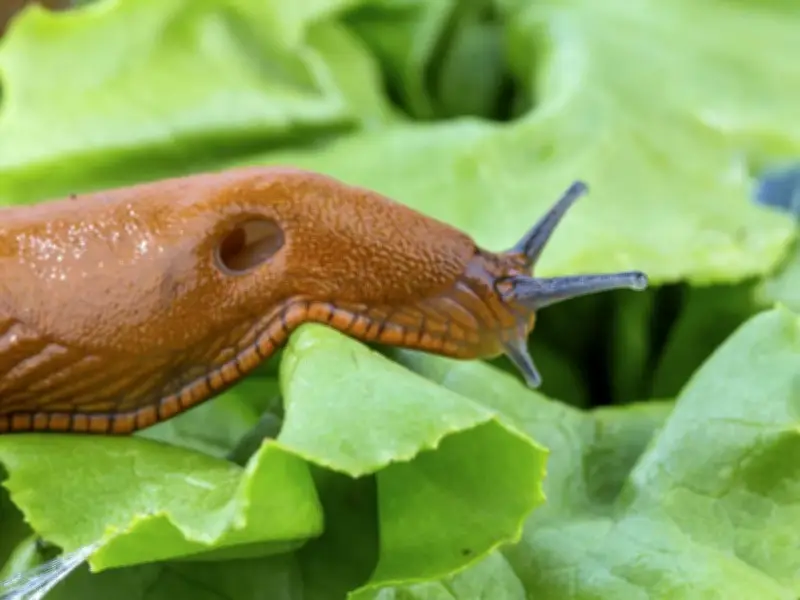
Slugs are a common garden pest that can cause significant damage to plants, but a 21p garlic kitchen staple offers a natural and effective deterrent, according to a BBC Gardeners' World reader survey.
Garlic drench method
Slugs are believed to be repelled by garlic's aroma, so applying a garlic mixture to foliage is a quick and effective natural method. To prepare the drench, crush two whole garlic bulbs and boil them in a couple of pints of water. Strain the liquid and leave it to cool, then add 1 tablespoon of the mixture to four litres of water and pour it over young plants once a week in the evening.
The drench can also be sprayed directly onto foliage, ensuring complete coverage, and should be reapplied regularly, especially after rainfall. A four-pack of garlic costs as little as 87p at supermarkets such as Tesco and Sainsbury's, working out at roughly 21p per bulb.
Handpicking after dark
The most popular approach from the survey is to head into the garden two hours after sunset with a torch and collect slugs from plants using a bucket of salt water. For a more humane method, collect slugs and relocate them to the wild. Gloves are recommended.
To attract slugs to a dark, sheltered spot, put out enticing items like dried cat food, old vegetables, oats, bran, or bread rolls. During daylight, search for hiding places such as beneath plant pots, tread boards, pot saucers, and garden furniture.
Barriers and unusual methods
Building barriers is another strongly advocated method. Slugs find prickly or rough surfaces challenging, so effective materials include bark, cocoa chips, sawdust, ash, cat litter, horticultural grit, wool pellets, coffee grounds, and sand. Refresh these barriers regularly, as most slugs live in the soil.
Alternative approaches include using petroleum jelly as a greasy barrier around seed trays and pots, attaching double-sided sticky tape with salt around pot rims, and burying beer traps using cheap beer.




