
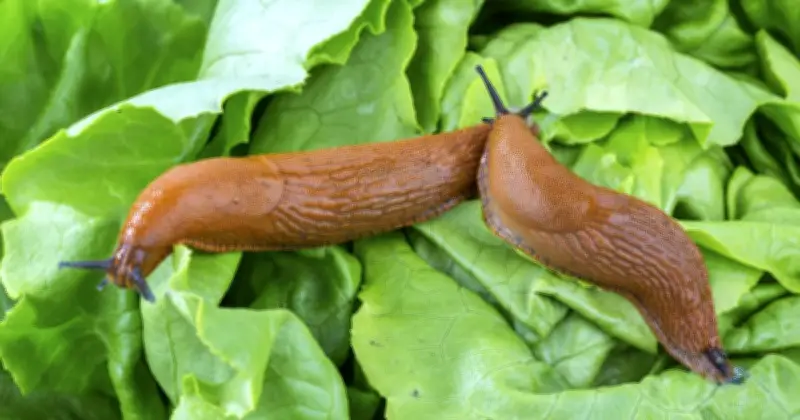
Slugs are widely considered to be the most unwanted garden pests, and now gardeners can get rid of them quickly and effectively with a simple remedy using a basic kitchen staple. A four-pack of garlic sells for as little as 87p in supermarkets like Tesco and Sainsbury’s, with each bulb costing roughly 21p.
Why Slugs Are a Problem
Slugs often top the list of the most unwanted garden pests and are widely considered to be the bane of a gardener’s existence. Not only do these gastropods demolish seedlings almost overnight, but their favourite activity is to munch on precious plants, leaving irregularly-shaped holes in leaves, flowers, stems, bulbs, tubers, and potatoes. They also leave behind a silvery slime trail to ensure gardeners know they have paid an unwanted visit.
While these molluscs are active throughout the year, their activity is most heightened during the spring and summer months when there is plenty of young and fresh growth for them to feast on. These garden pests tend to bury themselves in the soil or hide in cool, dark places to avoid dehydration, and they are most active after dark, especially in damp and warm conditions.
Effective Natural Slug Control Methods
In a BBC Gardeners’ World reader survey asking for the best ways to control slugs in the garden, some unlikely and unexpected methods emerged as winners. The solutions are simple and natural.
Garlic Drench
Slugs are believed to be repelled by the smell of garlic, so applying a garlic drench on the leaves of beloved plants is a quick and effective natural method to get rid of these pests. To create a homemade garlic drench, BBC Gardeners’ World recommends crushing two whole garlic bulbs and boiling them in a couple of pints of water. Then, strain the mixture and let it cool down. Dilute one tablespoon of this garlic drench in four litres of water and pour it over young plants once a week in the evening. The mixture can also be applied directly onto leaves, coating them thoroughly. It is important to reapply the mixture regularly, especially after rain.
Pick Them Off After Dark
The most popular approach according to the Gardeners’ World survey is to go out into the garden after dark equipped with a torch and pick the slugs off plants, with a bucket of salt water at the ready. Those who prefer a more humane approach can collect the slugs in a bucket and release them into the wild at a distance from the garden. The best window to pick off slugs is two hours after dusk, which means late nights during the height of summer. Wearing gloves is recommended. To attract slugs to a dark, shady corner, put out something they like, such as dried cat food, old vegetables, oats, bran, or bread rolls. Once the slugs have congregated, they can be easily picked off. During the day, check for hiding spots in moist, dark, and cool places such as under plant pots, tread boards on vegetable plots, pot saucers, and garden furniture.
Create Barriers
Creating barriers is another slug deterrent that many BBC Gardeners' World reader survey respondents swear by. These gastropods find prickly and sharp materials uncomfortable to travel over. Popular barriers include bark, cocoa chips, sawdust, ash, cat litter, horticultural grit, wool pellets, coffee grounds, and sand. It is crucial to top these barriers up regularly and remember that most slugs do not live on the surface but within the soil.
Unusual Methods
Some unusual slug removal methods endorsed by Gardeners’ World include using petroleum jelly as a greasy barrier smeared around the rims of seed trays and pots, using double-sided sticky tape attached to the rim of pots with the outer side doused in salt, and creating beer traps in the soil using cheap beer.
By employing these simple and natural methods, gardeners can effectively protect their plants from slug damage without resorting to harsh chemicals.




