
As another heatwave hits, gardeners are worried about their struggling plants. Soaring temperatures are tough on many beloved blooms and shrubs, and trees are also under stress, especially with hosepipe bans in many areas. With predictions that such weather patterns may persist, many seek ways to future-proof their gardens.
Horticulturalist's Top Picks
Horticulturally-trained garden writer Louise Curley has highlighted 11 plants, from perennials to shrubs and trees, that have stood out in her garden for their adaptability to both hot and wet conditions. Writing in The Times, she noted, "Sometimes there’s no obvious explanation why some plants do well and others don’t." She added, "The coming years will be about acceptance that our gardens are changing and also a lot of trial and error."
The 11 plants are: fennel (Foeniculum vulgare), Hydrangea 'Limelight', lambs ear (Stachys byzantina), dwarf mountain pine (Pinus mugo 'Mops'), purple top (Verbena bonariensis), hart's tongue fern (Asplenium scolopendrium), stonecrop (Hylotelephium 'Matrona'), star jasmine (Trachelospermum jasminoides), field maple (Acer campestre), catnip (Nepeta 'Walker's Low'), and strawberry tree (Arbutus unedo).
These plants can adapt to changing weather, but tolerance varies depending on plant, soil type, drainage, and duration of conditions. Some are drought-tolerant and dislike waterlogged soil, while others prefer moist conditions and may need extra watering during dry spells.
Top Three Most Adaptable
Among the list, three are particularly adaptable: Acer campestre, Verbena bonariensis, and Foeniculum vulgare.
Acer campestre, or field maple, is a native English tree. Curley calls it "an adaptable, robust tree that can tolerate a wide variety of conditions and soil types." Its spring flowers feed insects, and autumn brings golden leaves. It can reach 12 metres, so smaller gardens might prefer the dwarf cultivar 'Nanum' (three to seven metres).
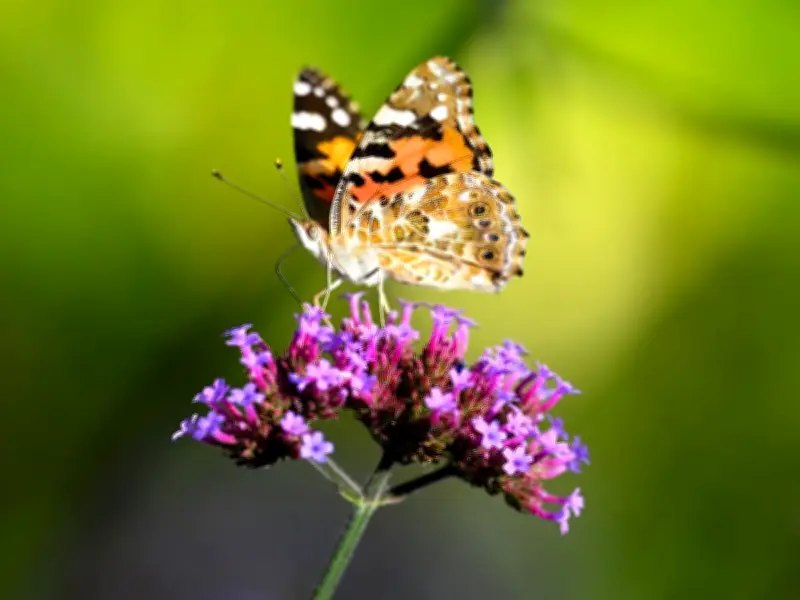
Verbena bonariensis is praised by Alan Titchmarsh for flowering "its socks off" in summer. Curley writes, "This rightly popular perennial has slender stems that give the plant a transparent quality so that the small pom-pom-like clusters of zingy magenta flowers appear to float among grasses and other perennials." It blooms from June to November, and seeds feed birds.
Fennel (Foeniculum vulgare) is tough and drought-tolerant, not fussy about soil as long as it's not permanently waterlogged. Curley calls it "a stalwart plant" that produces "a diaphanous haze of feathery green foliage and branching stems around 1.5 metres tall that are topped with bright yellow umbels, which are attractive to insects." She advises leaving stems standing for winter structure and seeds for finches, but notes it self-seeds, so remove unwanted plants early before the taproot develops.




