
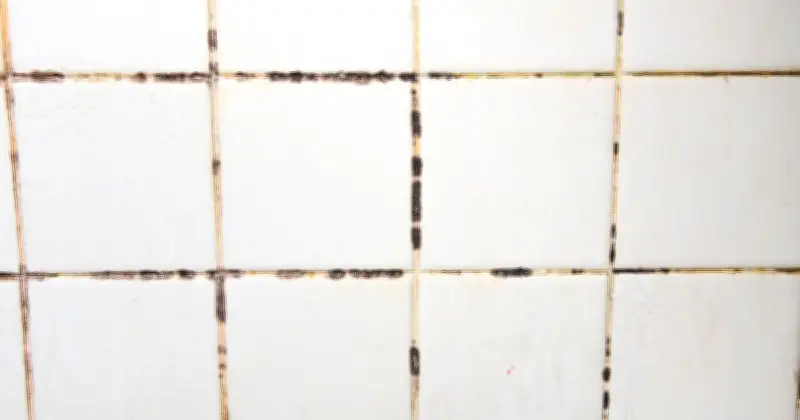
A simple £1 bathroom hack could eliminate mould for good, according to an expert. The trick involves using a self-adhesive silicone bath strip to seal over failing sealant, preventing moisture from getting behind it.
Summer Mould Problem
Even in summer, bathrooms can succumb to mould. While many associate mould with cold winter months, warmer weather can be just as problematic. Summer mould often catches homeowners off guard because it is driven by high indoor humidity and stagnant warm air rather than winter condensation.
Recent figures suggest up to 6.5 million households in England could be affected by mould. Damp and mould release allergens, irritants, spores and other harmful substances that negatively impact health. Even when mould is not visible, damp conditions encourage growth of fungi, dust mites, bacteria and viruses.
Common Trouble Spot
One of the most common trouble spots is bath sealant around showers and bathtubs, where black mould quickly takes hold. Despite regular cleaning, dark stains often return. The issue is not poor cleaning but failed sealant design, explains Guy Chapman, silicone seal specialist at United Silicones.
He says the root cause of recurring black mould is microscopic water penetration behind the sealant, which no amount of bleach can fix. While bleach temporarily removes surface staining, it does not address underlying moisture trapped behind sealant.
How Sealant Fails
Chapman explains: "Standard bathroom sealant looks solid, but over time it shrinks, stiffens and pulls away from the bath edge by fractions of a millimetre. Moisture gets trapped behind it, creating the perfect dark, damp environment for mould spores to grow. Once that happens, surface cleaning is pointless."
The critical failure point usually appears six to 12 months after installation, often without homeowners noticing. As temperatures drop, bathrooms cool faster, increasing condensation and accelerating mould growth. The danger window typically begins around October when indoor humidity rises but heating hasn't fully kicked in.
Simple Solution
Instead of repeatedly scrubbing or reapplying sealant, Chapman recommends a self-adhesive silicone bath strip costing as little as £1. "This works because it doesn't rely on chemical resistance. It physically seals over the vulnerable joint, preventing water from ever reaching the failing sealant underneath."
After cleaning, the bath edge should dry for at least 12 hours to ensure adhesion. The strip is applied directly over existing sealant, pressed firmly to form a continuous waterproof barrier. Unlike traditional sealant, silicone strips remain flexible indefinitely under constant exposure to hot water and steam.
Chapman adds: "Silicone sheet material doesn't shrink, crack or become porous over time. Once applied, it creates a stable moisture barrier that mould simply can't penetrate. For less than the cost of a coffee, you're stopping mould at the structural level."




