
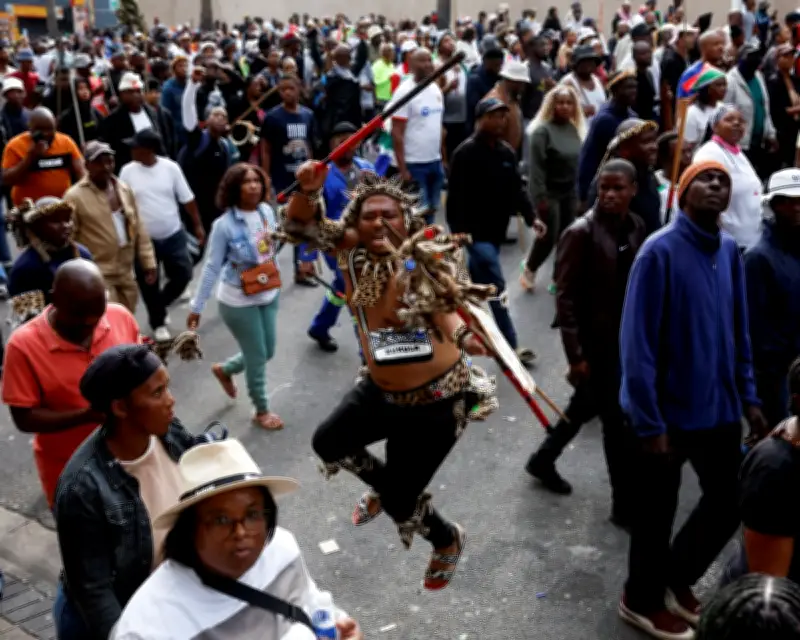
The Guardian has issued a strong condemnation of the recent wave of xenophobic violence in South Africa, warning that anti-migrant politics are a dangerous distraction from the country's deep-seated domestic problems. In an editorial published on July 2, 2026, the newspaper argues that scapegoating foreign nationals for issues like unemployment and crime will not solve these challenges and only serves to deepen social divisions.
The Outbreak of Violence
South Africa has seen a resurgence of xenophobic attacks in recent weeks, with mobs targeting businesses and homes owned by migrants, primarily from other African countries. The violence has resulted in at least 12 deaths and the displacement of hundreds of people, according to local authorities. The worst incidents have occurred in Johannesburg and Durban, where shops have been looted and set alight.
President Cyril Ramaphosa has condemned the attacks, calling them "un-African" and vowing to bring the perpetrators to justice. However, the editorial notes that the government's response has been slow and insufficient, allowing the violence to escalate.
The Root Causes
The Guardian editorial points out that South Africa's problems—such as extreme inequality, high unemployment (officially at 32% but much higher among youth), and pervasive corruption—are not caused by migrants. Instead, the country's leaders have failed to address these issues, and some have even used anti-immigrant rhetoric to deflect blame.
"Anti-migrant politics cannot fix domestic problems," the editorial states. "Blamning foreigners for the failures of governance is a cynical tactic that only breeds hatred and violence."
Economic Impact
The violence is also having a detrimental effect on South Africa's economy. Many businesses owned by migrants have been destroyed, leading to job losses and reduced economic activity. The editorial highlights that migrants often fill essential roles in the informal sector, providing goods and services that are not readily available elsewhere. Their contribution to the economy is significant, yet they are being driven out by fear and violence.
International Reaction
The international community has expressed alarm at the situation. The African Union has called for calm and urged South Africa to protect all residents, regardless of nationality. Several African countries have issued travel advisories warning their citizens about the dangers in South Africa. The editorial warns that the violence could damage South Africa's reputation and its standing in the region.
A Call for Leadership
The Guardian concludes by calling on South African leaders to take decisive action to stop the violence and address the underlying issues. "The country needs genuine leadership that tackles inequality, creates jobs, and strengthens institutions—not scapegoating of the most vulnerable," the editorial says.
It also urges citizens to reject xenophobia and recognise the common humanity of all people, regardless of where they come from.




