
The Trump administration has eliminated a key civil rights protection in transportation, removing accountability for unintentional discrimination. The Department of Transportation announced it will no longer hold transportation agencies liable when their decisions produce discriminatory outcomes, even severe ones, as long as the discrimination was unintentional. This change, made through a regulatory maneuver designed to evade public scrutiny, erases decades of civil rights protections.
What was lost
Until last month, federal transportation dollars came with a condition: projects had to be reviewed for basic fairness, and agencies could be held accountable if their decisions caused significant harm along racial lines without proper justification. That condition is now gone.
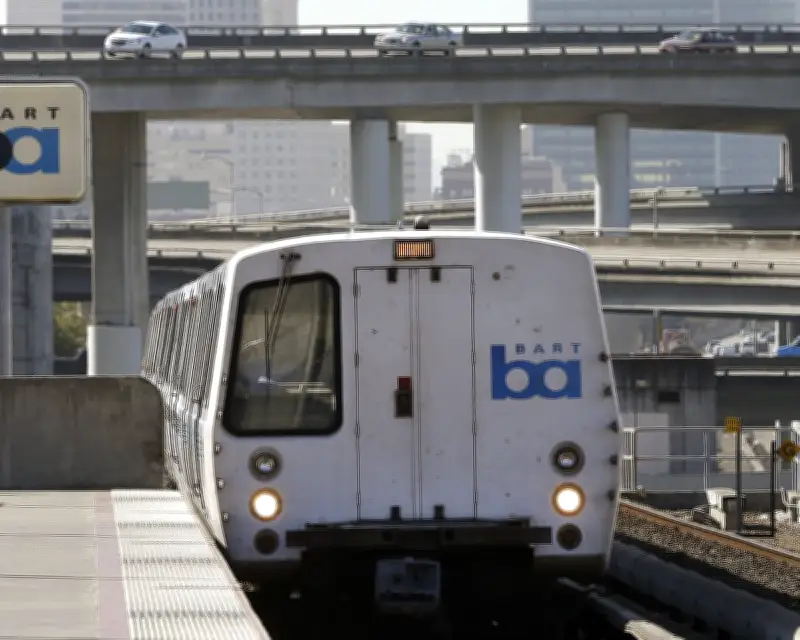
In 2009, Oakland residents petitioned the Federal Transit Administration to investigate BART over a 3.2-mile extension to the Oakland International Airport. The project traversed predominantly Black and Latino neighborhoods but excluded stops that would have connected local residents to job centers, while charging a premium fare that priced them out. The FTA found BART out of compliance and pulled federal funding. That tool—disparate impact liability—is now gone.
Broader rollback
This is not an isolated rollback. Donald Trump is systematically dismantling disparate impact liability across federally funded programs—in employment, housing, lending, and now transportation. Protections won over a century of civil rights struggle are being erased one regulation at a time.
Transportation has always been a civil rights battleground. Homer Plessy challenged segregated train cars in 1892; bus riders in Montgomery and Freedom Riders won integration during the civil rights movement. People with disabilities fought for accessible transit, leading to the Americans with Disabilities Act in 1990. The freedom to move with dignity is a prerequisite for full participation in society.
Impact and path forward
Eliminating a bus line through a predominantly Black neighborhood cuts off access to jobs, healthcare, education, and community life. Building a highway through a Latino neighborhood means residents breathe more pollution. Disparate impact analysis makes those patterns visible and gives communities standing to fight back. As federal protections collapse, states and local transit agencies must fill the gap by voluntarily adopting disparate impact standards, continuing demographic data collection, and conducting equity analyses before decisions are made.
Congresswoman Lateefah Simon, who is congenitally blind and has never been able to drive, stated: 'The freedom to move with dignity is a cornerstone of civil rights. We must protect the tools that defend it.'




