
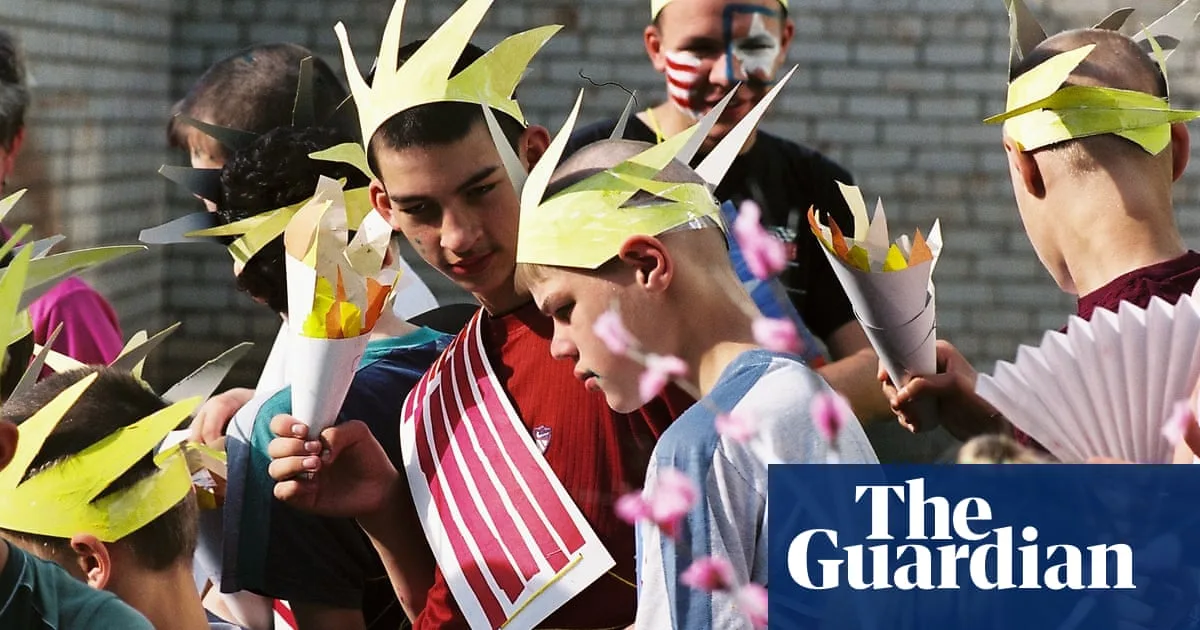
In the summer of 2007, I volunteered at a state orphanage for mentally and physically disabled children in the Pskov region, south of St Petersburg. The experience was like stepping into a Dickensian workhouse. The children, many of whom were 'social orphans' with living relatives, lived in squalid conditions, with staff relying on antipsychotics and violence as primary tools of control.
The orphanage in Belskoye Ustye housed children ranging from young girls to muscled teenage boys, many with conditions such as cerebral palsy and autism. They spent most of their time in sparsely furnished rooms, and at night, metal grilles locked them into dormitories. Some children were tied up to prevent self-harm.
I returned to the orphanage for nearly a decade, and it profoundly shaped my understanding of Russia. Later, as a journalist in Moscow, I covered a range of topics, but often found myself drawing on my experiences in Pskov to explain the country's realities. Pskov is one of Russia's poorest regions, with high rates of depopulation, disease, and poverty.
After Russia's full-scale invasion of Ukraine in 2022, I left the country with my Russian wife. Even from afar, the horror of the war was overwhelming. Yet, in seeking to understand Russia, I kept returning to the forgotten children of Pskov, whose lives reflect the harsh truths of Putin's Russia.




