
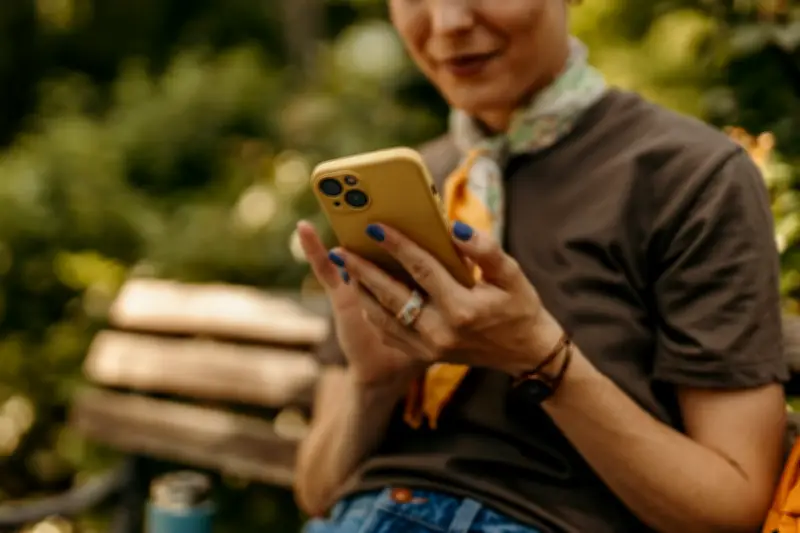
Samantha Allemann, a freelance writer based in Melbourne, recently craved the immediacy of a phone call—the back-and-forth in real time, the spontaneity, the unfiltered rawness. After years of relying on texts, DMs, Instagram reels, WhatsApp groups, and voice notes, she decided to scroll through her contacts and start dialing.
The Startled Response
When she called her friend Paul, his first question after four dial tones was, 'Is everything OK?' Everything was fine; she just wanted a chat. This startled reaction has become common, as many people no longer make social calls. Even those who grew up obsessed with the home phone now hesitate to ring friends.
The more communication channels available, the more particular people become about how they prefer to be contacted. Friend A prefers texts, Friend B loves voice notes but won't answer a call, Friend C communicates entirely in reels, Friend D enjoys phone chats but rarely responds to texts, and Friend E communicates mainly by email like a pen pal, despite living only 30 minutes away.
An Age Divide in Answering
As Allemann called more friends, she noticed an age divide. Her Gen X friends and relatives either answered or called straight back, unfazed by the unexpected ring. About half of her fellow millennials picked up, but always with a note of curiosity or concern. Kate, also a millennial, was slightly alarmed to get a call, as they usually text. Once they established everything was fine, they settled into a chat about parenting, their own parents, and roast chicken.
Kate recalled her father once texting her 'please call me IMMEDIATELY.' Panicked, she called, only to hear him say, 'I'm in the supermarket and need to know what type of roast chicken you want for dinner.'
Deeper Connections and Hidden Struggles
During her calls, Allemann heard about new jobs, weekend plans, gigs, exhibitions, and baby sleep schedules. Some calls were harder to make. One friend was having family issues; she had hinted via messages, but Allemann didn't grasp the severity until she was sobbing over the phone. 'I feel like I'm not being very helpful,' Allemann apologized. 'You're being a friend,' her friend replied.
Another friend, known to be having a hard time, laid it all out during the call—a work incident that sent him spiraling and time spent in a psychiatric ward. 'I'm so sorry, I had no idea,' Allemann told him, reminding him he could call if he needed to talk.
The Limitations of Digital Communication
Allemann realized that so much can remain hidden when friendships are maintained through reels, typed messages, or curated voice notes. It's hard to know if someone is struggling when you can't hear their voice. Even with voice notes, there's the ability to hit record, pause, start over, and edit out the messiness—the crack in your voice, the rehearsed enthusiasm, the weariness.
There's a sense of performance that is harder to emulate on a longer phone call, especially a spontaneous one that catches you off-guard.
The next time her phone rings unexpectedly, Allemann says she too might assume something is wrong. 'But maybe everything is also fine—maybe someone just wants to talk,' she concludes.




