Met Gala Faces Boycott Calls Over Jeff Bezos Sponsorship and Alleged Exploitation Ties
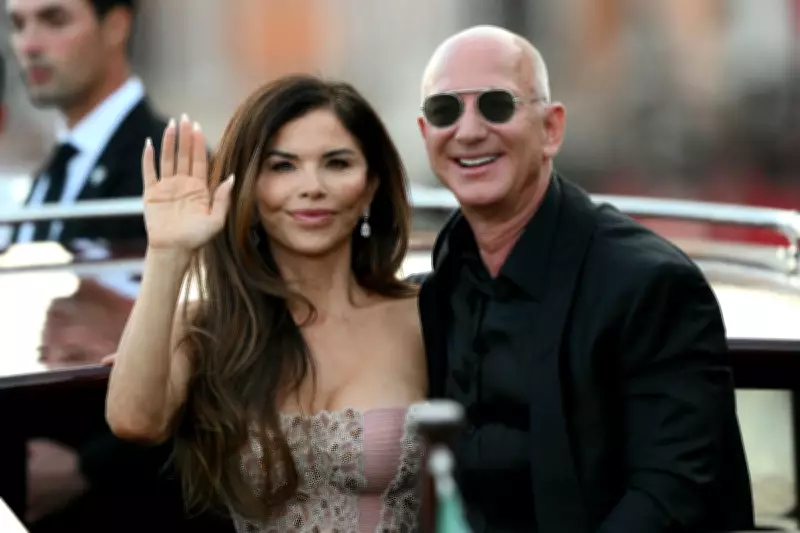
This year's prestigious Met Gala is embroiled in controversy as activist groups call for a widespread boycott over the involvement of Amazon billionaire Jeff Bezos and his wife, Lauren Sánchez Bezos, as lead sponsors. The 2026 event, scheduled for 4 May, has sparked backlash from critics who accuse Bezos of using his wealth to buy influence at the iconic fashion fundraiser.
Poster Campaign Targets Bezos and Amazon's Alleged Practices
In New York City, near the Metropolitan Museum of Art, guerrilla posters have appeared with provocative messages including "Bezos Met Gala: Brought to you by the firm that powers ICE" and "Boycott the Bezos Met Gala." Another poster explicitly states: "The Bezos Met Gala: Brought to you by worker exploitation," referencing long-standing allegations of mistreatment at Amazon fulfillment centers.
The poster referencing ICE features a tear gas canister on a red carpet, alluding to reports that Amazon terminated warehouse workers who lost legal work authorization during Donald Trump's deportation initiatives. This visual protest highlights the tension between Bezos's philanthropic sponsorship and Amazon's controversial labor practices.

British Activist Group Behind the Protest Movement
The flyer campaign is organized by the British political activist group Everyone Hates Elon, which describes itself as anti-billionaire. The group's name draws inspiration from Tesla mogul Elon Musk, reflecting their broader critique of extreme wealth concentration.
In an interview with The New York Times, an anonymous leader of Everyone Hates Elon revealed that their online donation portal has raised approximately £10,000 (around $13,000) to fund the city-wide postering campaign. This demonstrates significant grassroots support for their cause against billionaire influence in cultural events.
Breaking from Tradition and Previous Activism
The Bezos sponsorship marks a departure from the Met Gala's traditional practice of having legacy fashion houses as primary sponsors. Instead, the world's third-richest man and his wife now hold considerable influence over event details, from invitations to overall presentation.
This isn't the first time Everyone Hates Elon has targeted Jeff Bezos. Last summer, the group traveled to Venice during Bezos and Sánchez's wedding, displaying a massive banner in Piazza San Marco that read: "If you can rent Venice for your wedding you can pay more tax." This continuity of activism shows their sustained focus on wealth inequality and tax justice issues.
Defense from Fashion Leadership and Event Details
Anna Wintour, Vogue's global editorial director and Met Gala chair since 1995, has attempted to address the criticism. She told CNN in November: "I think Lauren is going to be a wonderful asset to the museum and to the event. I'm very grateful for her incredible generosity, and she's a great lover of costume and obviously of fashion, so we're thrilled she's part of the night."
The 2026 Met Gala's dress code is "Costume Art," exploring the "centrality of the dressed body" through interpretations of human form in the Met's collection. Andrew Bolton, curator in charge of the Costume Institute, explained: "What connects every curatorial department and what connects every single gallery in the museum is fashion, or the dressed body. It's the common thread throughout the whole museum."
Star-Studded Host Committee Amid Controversy
Despite the boycott calls, the event features a glittering array of co-chairs and committee members. Beyoncé, Nicole Kidman, and Venus Williams serve as honorary hosts for the fundraiser. The Gala Host Committee, co-chaired by Anthony Vaccarello and Zoë Kravitz, includes prominent figures such as singer Sabrina Carpenter, musician Doja Cat, ballerina Misty Copeland, Girls creator Lena Dunham, singer Sam Smith, and actor Teyana Taylor.
The controversy highlights growing public scrutiny of billionaire philanthropy and corporate sponsorship of cultural institutions, particularly when tied to allegations of worker exploitation and controversial government contracts. As the May event approaches, the tension between high fashion and social activism continues to intensify.