
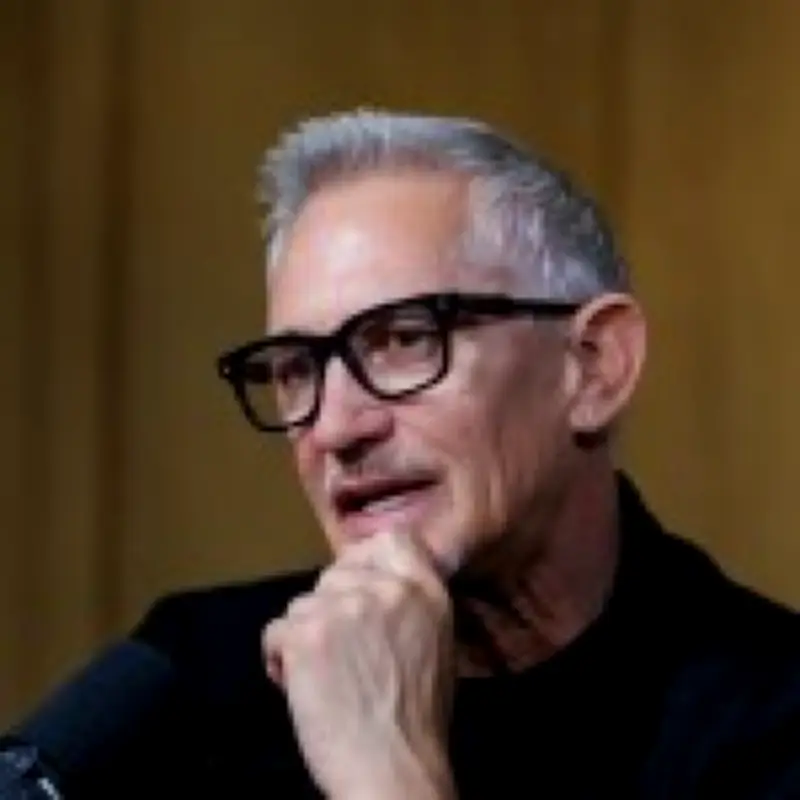
Gary Lineker has called on Prime Minister Andy Burnham to tax him more, joining over 100 British-based millionaires in an open letter urging a wealth tax on the super-rich.
The letter, signed by Lineker, Richard Curtis, Val McDermid and others, appeals to Burnham to implement a wealth tax for millionaires. 'We want you to tax us,' the plea reads. 'We can afford it. We're not talking about higher taxes on those who get up and go to work for their income every day, but on the very richest whose income is derived from the wealth they hold.'
Patriotic millionaires speak out
The letter from Patriotic Millionaires UK affirms that signatories are a 'patriotic bunch' who 'love this country and want it to succeed'. It states: 'As we embrace this new road – please consider taxing us properly as our contribution to it. We love this country. It's time for a better Britain; it's time for everyone here to feel Great Britain. It's time to tax us, the super rich.'
Lineker, who ranks 16th on the BBC top paid list and has an estimated £30 million net worth, added: 'Our fantastic country deserves all of us to get behind it.' He said: 'I'm proud to stand with people across the UK who want to live in a more equal society. Paying your fair share is a basic British value, but so many ordinary people are already paying more than they can afford. Our richest people can do more and most want to. To live up to our national values, our new government must raise taxes on extreme levels of wealth for a fairer, better, more hopeful Britain.'
Public support for 2% wealth tax
A proposed 2% tax on wealth over £10 million has been largely supported by the public, with a YouGov survey indicating 75% of Brits back it. It has been estimated a tax like this could raise £24 billion in revenue. Patriotic Millionaires UK's own poll suggested that 80% of UK millionaires, who make up around 4.5% of the population, are in favour of the 2% tax.
Julia Davies, a member of the campaign group, said: 'This is a fresh opportunity for our country. A chance for the Prime Minister to help rebalance power, reduce the shocking levels of wealth inequality which intensifies the cost of living crisis, and raise much-needed revenue for our public services, improving life for everyone. We millionaires are here to be taxed more and we urge our new PM to grab this opportunity with both hands and tax our wealth.'
The open letter concluded: 'As you decentralise political power, you should also disperse economic power. Extreme wealth sitting idle in the hands of a few can be put to work: reducing inequality, investing in sustainable jobs, strengthening hospitals, schools and social care, supporting entrepreneurs with the skills and infrastructure they need, and giving small businesses access to affordable finance. Our wealth is our country's secret weapon – let's get serious about using it.'
Growing international conversation
Conversations around a wealth tax have been growing internationally, becoming a central election pledge for Denmark's Prime Minister. In March, Green Party leader Zack Polanski also suggested a tax as well as a wider financial overhaul. The manifesto suggested a 1% tax over £10 million, increasing to 2% over £1 billion for the 157 billionaires in the UK. 'We know a wealth tax won't fix everything, and no one has ever pretended it would. But it would be a very good place to start,' he said at the time.
Meanwhile, Burnham's focus has been on the public transport network, hoping to integrate buses, trains, and trams into a single system. He told Metro: 'So when you tap in, it's like London, you're all under the cap, and people can take as many buses and trains as they like and they only pay up to a certain level. That's what we need. I think most other countries have it. I'm going to put Britain on an accelerated path to lower cost, integrated public transport.'
In 2024, then-PM Sir Keir Starmer announced the fare cap would rise from £2 to £3 as funding for the original Conservative policy was set to expire. Burnham's announcement will apply to fares for participating buses in England from January 1 next year until the end of 2027.




