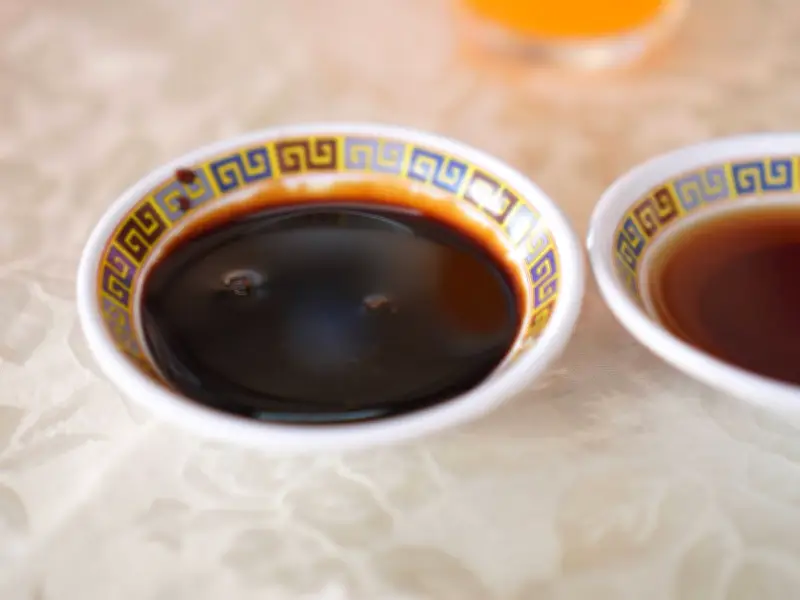
Light soy sauce and dark soy sauce are both staples in Asian cooking, but they serve very different purposes. Light soy sauce is thin, salty, and aromatic, used primarily for seasoning and marinades. Dark soy sauce is thicker, slightly sweeter, and aged longer with molasses or caramel, giving dishes a glossy, deep colour.
What Is Light Soy Sauce?
When a recipe calls for "soy sauce," it almost always means light soy sauce. This variety is thin, salty, and aromatic, fermented for flavour rather than colour. It is the standard soy used for seasoning, marinades, and dipping sauces, especially in Chinese cuisine. A little goes a long way, adding savoury depth without darkening the food excessively.
What Is Dark Soy Sauce?
Dark soy sauce is thicker, deeper in colour, and marginally sweeter than light soy. Its longer ageing process and the frequent addition of molasses or caramel give it a richer consistency. It is the secret behind the glossy, mahogany finish on dishes like braised pork, fried noodles, or stir-fried beef. Dark soy is less about seasoning and more about delivering colour and depth.
Do You Need Both?
If you regularly prepare Asian dishes, both bottles deserve a place in your fridge, as they fulfil entirely different purposes and cannot be substituted for one another. Light soy is for seasoning; dark soy is for colour. However, if you only occasionally cook Asian food, light soy is the essential choice. Dark soy has its merits but is far from necessary.