
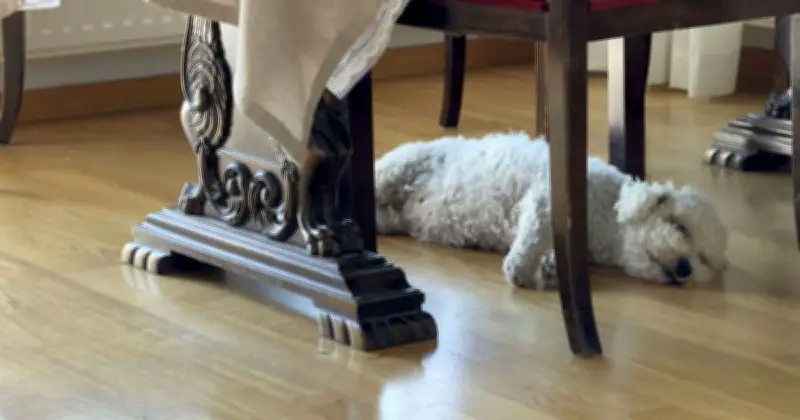
A clinical canine behaviourist has explained that when dogs sigh, huff or puff, they are not being dramatic but are communicating emotional tension.
Sharing advice on TikTok, the behaviourist said these behaviours are among the most misunderstood by owners. He said people often laugh, film and call their dog dramatic, but as a professional he takes it seriously because the dog is communicating emotional tension that most owners miss.
Displacement behaviours
The behaviourist explained that sighing and huffing are known as displacement behaviours – physical ways dogs release built-up emotional pressure. Rather than showing attitude or boredom, they often indicate a dog is processing frustration, mild anxiety or trying to calm themselves after excitement.
He said: "It's the body's way of regulating the nervous system."
Using his own Labrador, Sully, as an example, he noted the dog often lets out a long sigh after completing mentally challenging tasks. "When I've had him working through something that is mentally demanding or taxing, or I've asked him to hold a position when every part of him wants to move, he'll let out that long sigh," he said. "I don't dismiss that. His sigh tells me he's working hard emotionally and that I need to be aware of where he's at."
Frequent sighing a warning sign
The behaviourist warned owners not to ignore the behaviour, especially if it happens frequently throughout the day. "The harsh reality is, if your dog is huffing and sighing at you consistently throughout the day, that is a dog carrying a level of emotional tension that their current routine isn't properly addressing," he said. "It is not attitude. It's not them being funny. It's a signal, and it's your job as their loving leader to read it correctly."
To help reduce emotional pressure, he recommends giving dogs more physical exercise, meaningful mental stimulation and plenty of opportunities to properly relax. He says understanding these subtle behaviours can help owners build a stronger bond with their pet while improving their overall wellbeing.
Commenting on his post, one user said: "My dog will huff/groan at me when I’m not sharing my food with him." Another added: "Well my Boxer boy would huff, shake his head and stomp away from me. I know that was an attitude. I’ve never heard this before, it’s good to understand." A third said: "My pup does it when I make him have a nap, and he can’t get himself comfortable."




