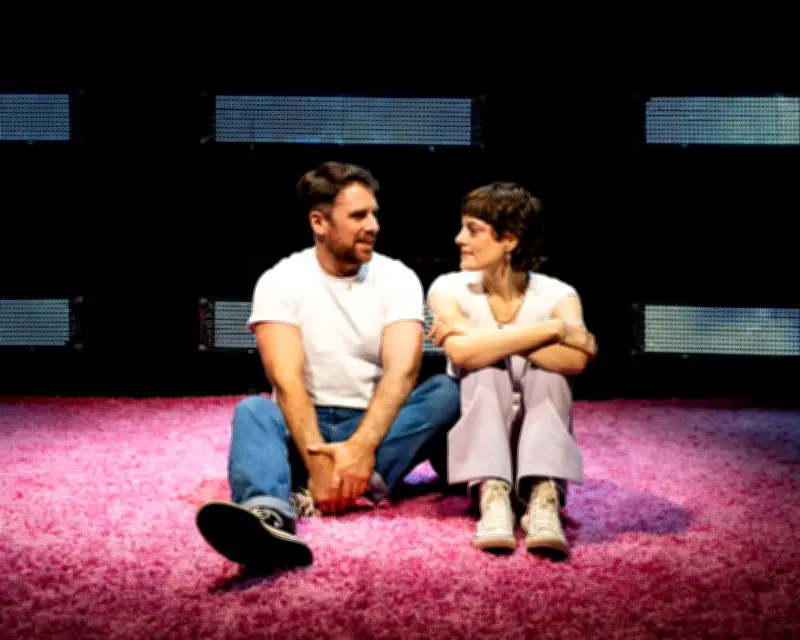
Writer and actor Karin McCracken's play Heartbreak Hotel delves into the physical and emotional impacts of heartbreak, incorporating classic breakup songs and scientific insights. The show, which sold out at Melbourne's Rising festival in 2025 and toured internationally, begins a new Australian tour at Arts Centre Melbourne.
The Science of a Broken Heart
In 1983, Japanese doctor Hikaru Sato diagnosed the first medical case of "broken heart syndrome," known as takotsubo cardiomyopathy. The condition causes a temporary weakening of the heart's left ventricle, often triggered by grief or stress. McCracken calls it "poetry made manifest." The syndrome inspired her to explore heartbreak's universal experience, blending research with music from Céline Dion, Prince, and Elvis.
Striking a Balance Between Truth and Hope
McCracken wanted to avoid portrayals that were either "too grim" or overly optimistic. "Is there a way to strike a chord right down the middle?" she asks. A 2022 German study found that people regain a sense of control after the first year post-breakup, supporting growth through adversity.
Literary and Musical Inspirations
The show draws from Sylvia Plath, Pablo Neruda, Charles Dickens' Miss Havisham, Joan Didion's The Year of Magical Thinking, and Rachel Cusk's Aftermath: On Marriage and Separation. McCracken emphasizes humor: "I wouldn't go to a show about breakup without laughs." Covers include Elvis's Heartbreak Hotel, Bonnie Raitt's I Can't Make You Love Me, and either Nothing Compares 2 U or Céline Dion's It's All Coming Back to Me Now.
Physical Impacts and Awe as Antidote
Heartache alters stress hormones like cortisol and activates the anterior cingulate cortex, linked to rejection and awe. McCracken notes that awe can minimize self-focused pain: "When you experience awe, you see yourself as part of this much larger thing." The play runs at Arts Centre Melbourne until 19 July, then tours Ballarat, Wollongong, and the Gold Coast.