Zendaya's Character in 'The Drama' Leaves Audiences Wanting More
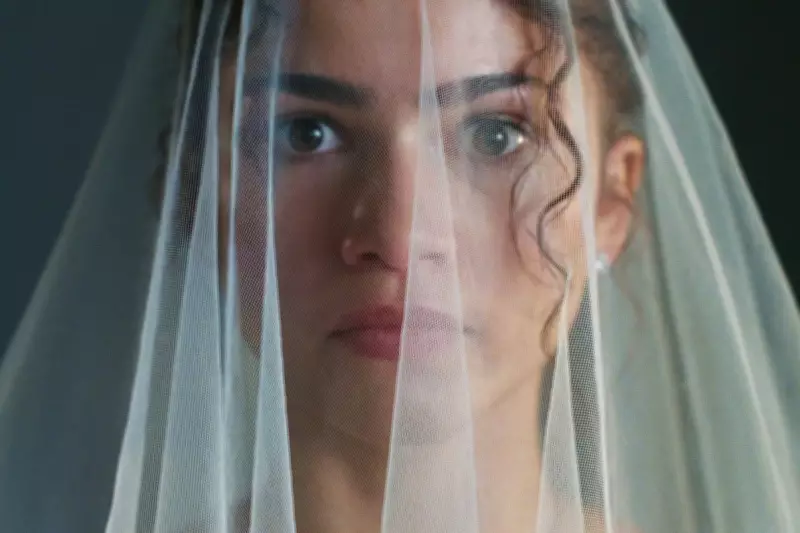
In Kristoffer Borgli's dark comedy The Drama, Zendaya stars as Emma, a bride-to-be whose shocking secret drives the plot but fails to provide the acting showcase expected for one of Hollywood's most prominent young stars. The film, also featuring Robert Pattinson, has sparked controversy for its handling of sensitive themes, yet it ultimately lets down its lead actress by rendering her character an enigma rather than a fully realized person.
The Controversial Premise That Dominates the Narrative
The Drama centers on Emma, who confesses to her fiancé Charlie, played by Pattinson, that she planned a school shooting at age 15 before having a change of heart. This revelation, revealed early in the film, serves as the core premise rather than a twist, forcing audiences to grapple with its implications throughout. The subject has drawn criticism from anti-gun activists, placing pressure on the film to deliver meaningful social commentary alongside its seriocomic elements.
However, the film struggles to meet these expectations, largely due to Emma's characterisation. Her motivations remain opaque; the bullying she experienced seems relatively mild, and her decision to abandon the attack appears driven by whim rather than genuine remorse. This lack of depth leaves key questions unanswered, such as whether Emma has truly changed from her teenage self, creating a narrative void that undermines the moral dilemma at the story's heart.

How 'The Drama' Undermines Zendaya's Talents
Zendaya, known for standout roles in films like Challengers and Dune: Part Two, is given little to work with here. Her character is not riddled with complex pathologies or remorse, which might be interpreted as a satirical point about America's desensitisation to gun violence. Yet, on a narrative level, this approach reduces Emma to a mere thought experiment rather than a believable individual. In contrast, other characters, such as Charlie or Rachel, played by Alana Haim, are more intelligible and real, with clear traits and contradictions that make them engaging.
This stubborn wooliness does not play to Zendaya's strengths as an actor. She has proven her ability to command the screen with minimal material, as seen in her role as MJ in the Spider-Man films, but in The Drama, she is given a substantial premise and instructed to do little with it. The film's commercial success, recouping its budget quickly, highlights her box office clout, yet it fails to leverage her talent effectively.
The Broader Implications and Audience Reception
By stripping away the psychological realities of mass violence, The Drama unavoidably dilutes its impact, leading to debates over whether this constitutes gross insensitivity or fair artistic licence. The film's detractors argue that it trivialises a serious issue, while supporters may see it as a bold narrative choice. Ultimately, the interpretation is left to the viewer, much like everything else in the film.
As The Drama continues its cinema run, it serves as a cautionary tale about the risks of underdeveloping central characters in high-stakes stories. For Zendaya, it represents a missed opportunity to explore darker, more complex terrain, leaving audiences to wonder what might have been with a more fleshed-out role.