Who's Afraid of Virginia Woolf? at 60: Elizabeth Taylor Still Crackles with Feral Energy
Mike Nichols' 1966 adaptation of Edward Albee's septic drama helped cement the play in the zeitgeist, where it has remained for the past six decades. After a long day at work, we may not instinctively leap to films about toxic marriages and relationship breakdowns, but by God they can make good drama. Blue Valentine, The Squid and the Whale, and A Separation are some of the great portraits of love turned septic. Yet perhaps greatest of all is Nichols' directorial debut, a sizzling adaptation of Albee's legendary Who's Afraid of Virginia Woolf?, which arrived in 1966, four years after the play, and solidified its cultural impact.
Award-Winning Performances and Timeless Intensity
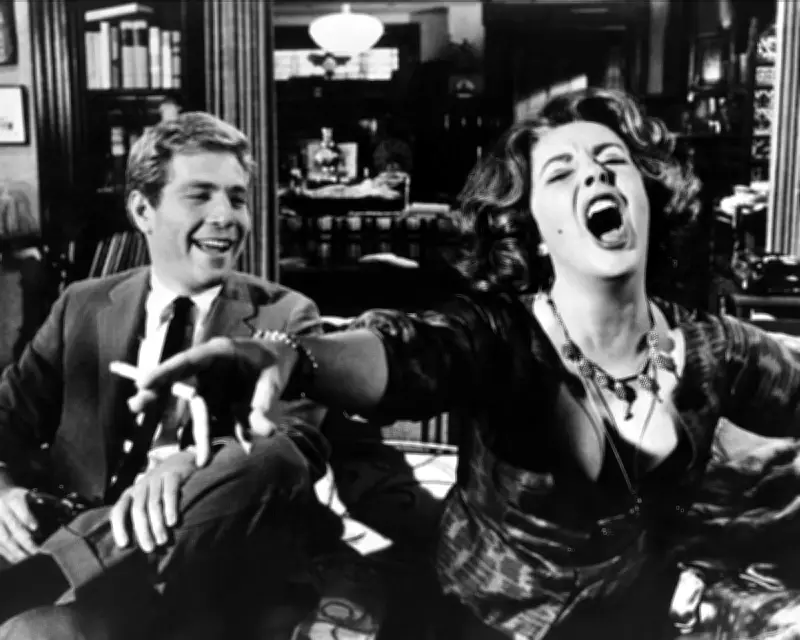
The film was nominated for every eligible Academy Award and won five, including best actress for Elizabeth Taylor, who delivers a searing performance as the ferocious yet vulnerable Martha. It has lost none of its gut-busting charge today, and her brilliantly performed experience still crackles with emotional electricity. The drama unfolds over one long booze and bile-filled evening between Martha and her husband, George, played by an equally astonishing Richard Burton. Watching them go at it is a masterclass in screen acting, albeit an unpleasant one at times.
Volcanic Dynamics and Toxic Interactions
It doesn't take long for the principal characters to start sniping, and things get very nasty very quickly. For instance, their equivalent of pillow talk involves Martha telling George, "you're going bald," to which he responds, "so are you"—not in a gently ribbing way. When she claims she can drink him under the table, he retorts, "There isn't an abomination award going that you haven't won." Their dynamic in these early scenes is testy, even volcanic, but nothing compared to what's coming when they're joined later by a much younger married couple: Nick, who works at the same university as George, and Honey.

This is perhaps not Martha and George's finest hour, though it's hard to imagine them as paragons of virtue even while sober. In fact, they're living testaments to the old saying: "misery likes company." These are not people prepared to drink by themselves or sit and stew; they want to share their pain and bring others down with them.
The Illusion of a Son and Metaphorical Depth
There are only four characters, with one very interesting exception: Martha and George's son, whose presence hangs over everything despite never being named, seen, or even existing. Early on, Martha mentions him to Honey, stating his 16th birthday is the next day, which upsets George. It's famously revealed, deep into the runtime, that this son is a fiction shared between them—a protective shield, perhaps, distracting from their loneliness and emotional seclusion. The meaning of this twist is up for grabs, enabling all sorts of readings about the story's metaphorical essence.
Michael Billington described it as partly about "the stock American theme of truth and illusion," arguing that Nichols' film stamped the play "in the public mind as a liquor-fuelled marital slugfest," pushing critical readings away from its commentaries on the state of America. This was inevitable, given the immediacy of film compared to the literal distance in stage productions.
Cinematic Techniques and Uncomfortable Realism
Nichols gets right up in the characters' faces, with the frame moving slowly at times and in sharp, unexpected ways at others. Sometimes the camera is fixed, and sometimes it swings madly about. Always, the staging feels closely tuned to the performers, often very uncomfortably so; you can practically smell the rancidness of their breath. Who's Afraid of Virginia Woolf? is available to stream on HBO Max in Australia and for rent in Australia, the UK, and the US.