The Testaments Review: Bridgerton Meets Lord of the Flies in Dazzling YA Epic
The Testaments Review: A Dazzling YA Epic Adaptation

The Testaments Review: A Dazzling Young Adult Epic Arrives on Disney+

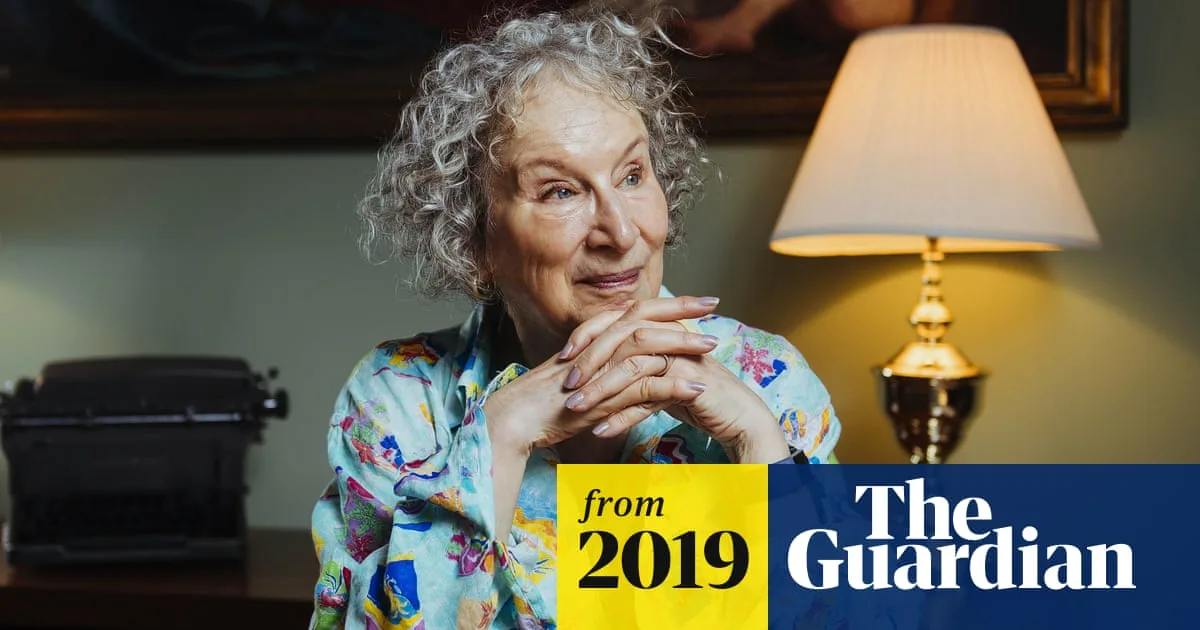
In the three and a half decades between the publication of Margaret Atwood's seminal novel The Handmaid's Tale and its long-awaited sequel The Testaments, the original 1985 book solidified its status as a global classic. Adapted into multiple films and television series, it became a staple in educational curricula worldwide. Consequently, anticipation for this belated extension of the dystopian saga was fraught with anxiety. Questions abounded: Was this a mere cash grab? A desperate bid for relevance? Could it possibly tarnish the legacy of its predecessor? Then The Testaments was published, and it was not just good—it was exceptional, earning the prestigious Booker Prize. Now, Disney+ brings this acclaimed sequel to the screen with a fresh, vital, and utterly compelling adaptation.

A Fresh Perspective on Gilead's Elite

The narrative shifts focus to Agnes Mackenzie, portrayed with compelling nuance by Chase Infiniti. As the daughter of a high-ranking commander in the theocratic, patriarchal regime of Gilead, Agnes attends an elite finishing school overseen by the formidable Aunt Lydia, played by Ann Dowd. Here, she is meticulously groomed to lead a household and, if deemed worthy, become a mother. "I was a precious flower," Agnes reflects in a moment of introspection. "Then why did I sometimes feel like a prized pig?" Her path toward an arranged marriage is disrupted by the arrival of Daisy, a role masterfully embodied by Lucy Halliday. Daisy presents herself as a convert from Canada but harbors dangerous secrets about her true parentage and her clandestine mission within Gilead's borders.

This setting, a school that ostensibly upholds the regime, becomes a hotbed of concealed truths and simmering rebellion. By the conclusion of The Handmaid's Tale television series last year, the story had evolved into a gritty civil war drama, blending dystopian fiction with espionage thriller elements. The Testaments, in contrast, effectively resets the narrative clock. It centers on the wide-eyed debutantes of Gilead's upper echelons, who remain largely oblivious to the oppressive structures enveloping their lives. Instead, their energies are devoted to currying favor with the aunts, the austere figures tasked with orchestrating their marital futures. "Always be extra nice to the frigid sadists who are arranging your marriage," Daisy quips with dark irony. The result is a captivating fusion—Bridgerton meets Lord of the Flies—crafting a young adult epic for the contemporary age.

Wide Pickt banner — collaborative shopping lists app for Telegram, phone mockup with grocery list

A Vibrant Aesthetic and Stellar Performances

The young adult ethos profoundly influences the show's visual style. Whereas showrunner Bruce Miller's The Handmaid's Tale often embraced a murky, frenetic aesthetic, The Testaments bursts forth in vivid technicolor. The girls' uniforms—distinguished by plum, green, or pearl hues based on status—pop against the screen, and the camera glides smoothly through the stark, vivid iconography of the fascist state. While Elisabeth Moss's June was portrayed as a weary, downtrodden servant, the protagonists here are fresh-faced ingenues navigating a world of gilded cages.

Chase Infiniti, acclaimed for her role in the Oscar-winning film One Battle After Another, delivers a convincingly conflicted performance as a young woman grappling with the constricted horizons of her predetermined future. Yet, it is Lucy Halliday who truly steals the spotlight as the cuckoo in this nest of systemic misogyny. Her portrayal of Daisy emerges as a natural successor to June: resilient yet flawed, courageous yet reluctant, embodying a complex heroine for a new generation.

Pickt after-article banner — collaborative shopping lists app with family illustration

Adaptation Choices and Contemporary Resonance

In adapting Atwood's novel, Miller implements several strategic changes. Agnes and Daisy are now contemporaries, a decision that foregrounds the talented young cast and enhances the narrative's immediacy. This adjustment also means the series functions less as an origin story for Aunt Lydia compared to the book—a clear indication that Disney envisions multiple seasons for this expanding universe. What remains faithfully intact is the source material's palpable anger and urgency. "Even though [Gilead] seemed like it happened overnight," Daisy observes pointedly, "there were signs it was coming."

The rhetoric surrounding women's roles and declining birth rates—the very bedrock of Gilead's authoritarian regime—echoes disturbingly familiar voices in both the modern "manosphere" and governmental discourse. For instance, Vice-President JD Vance, a self-proclaimed "pronatalist," declared in his inaugural address, "I want more babies in the United States of America." While Disney may not traditionally be regarded as a overtly political broadcaster, The Testaments, shrouded in potent allegory, undeniably offers a sharp commentary on contemporary societal currents.

A Testament to Timely Storytelling

"I'm ashamed to say that I believed in Gilead once," Agnes confesses in her opening testimony to viewers. "I guess it's easier to accept a story, even a childish one, rather than accept that the people around you are monsters." Some may argue that the daily news cycle provides sufficient monstrous realities, rendering fictional mirrors to society superfluous. For others, however, The Testaments stands as an impressive and necessary follow-up to The Handmaid's Tale. It skillfully lightens the tonal palette, accelerates the narrative pace, and retains a meticulous, chilling depiction of how societies can insidiously backslide into regression and repression. This adaptation not only honors Atwood's visionary sequel but also reaffirms the enduring power of dystopian fiction to illuminate our present dilemmas.