The Other Bennet Sister: A Timeless Reflection on Bookish Girls' Struggles
The Other Bennet Sister: Bookish Girls' Timeless Struggles

The Other Bennet Sister: A Mirror to Modern Bookish Girls' Realities

The BBC's latest period drama, The Other Bennet Sister, adapted from Janice Hadlow's 2020 novel, offers more than just Regency-era costumes and romantic subplots. It serves as a poignant exploration of the timeless challenges faced by intelligent, introverted young women, prompting viewers to question whether societal attitudes have evolved as much as we might assume.

Reliving Adolescent Awkwardness Through Mary Bennet

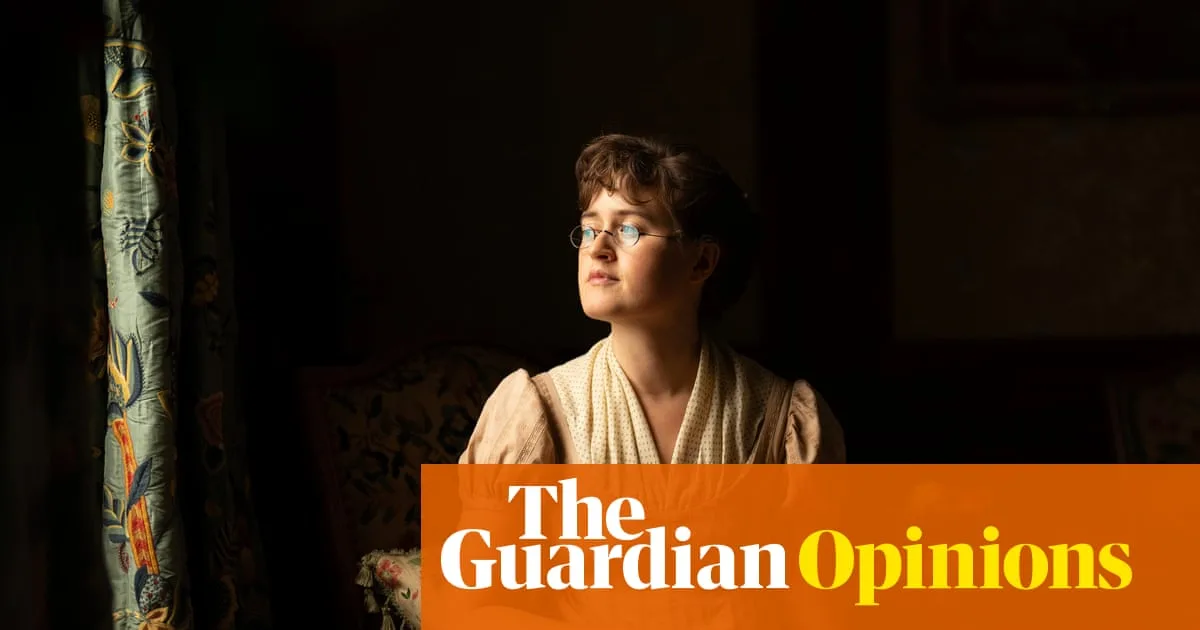
Ella Bruccoleri's compelling portrayal of Mary Bennet—the overlooked, bespectacled sister from Pride and Prejudice—transports audiences back to the painful self-consciousness of adolescence. For many bookish women, watching Mary's journey evokes memories of feeling invisible, sidelined by peers, and pressured to conform to narrow beauty standards. The drama vividly captures the extreme lack of confidence that stems from such marginalisation, whether inflicted by classmates or, as in Mary's case, by a dismissive mother.

Ruth Jones delivers a masterful performance as Mrs Bennet, revealing how parental dynamics can vary dramatically between siblings. To Elizabeth Bennet, their mother may seem merely silly; to Mary, she becomes a source of bullying and emotional neglect. This nuanced portrayal highlights the subjective nature of family experiences, resonating with women who have faced similar criticism from their own mothers.

Wide Pickt banner — collaborative shopping lists app for Telegram, phone mockup with grocery list

Beyond Romance: A Narrative of Self-Discovery

What sets The Other Bennet Sister apart from typical Austen adaptations is its focus on personal growth rather than purely romantic pursuits. While marriage plots remain a backdrop, the series prioritises Mary's journey toward self-acceptance, independence, and inner strength. This refreshing approach challenges the trope of the flawless heroine, instead celebrating an ordinary-looking young woman navigating her identity.

The economic pressures faced by the Bennet sisters—who cannot inherit their father's estate and must marry for security—mirror contemporary concerns about financial stability. Many modern women still grapple with economic disparities among peers, and some only access property ownership through advantageous marriages, albeit to modest homes rather than grand estates.

Why 19th-Century Stories Still Resonate

Critics often lament the endless adaptations of Austen and Brontë works, yet The Other Bennet Sister demonstrates why these narratives endure. They reflect persistent societal issues, such as the institution of marriage and economic dependency, which continue to influence women's lives today. As Charlotte Lucas starkly warns Mary, the choice between "marriage or misery" may no longer be literal, but its echoes linger in modern expectations.

The series quietly challenges viewers, especially young women, to consider their identities outside traditional structures. While media trends may proclaim "clever is the new cool," this sentiment often fails to trickle down to comprehensive schools, where teenage girls still report hiding their intelligence to avoid teasing or bullying.

A Personal Reflection on Growing Up Bookish

For many former bookish girls, now adult women, the series stirs memories of painful self-consciousness—about appearance, intellect, and social standing. Even decades later, admitting to one's own cleverness can feel uncomfortable, a remnant of adolescent pressures to downplay intelligence. While adulthood often brings therapy, self-understanding, and supportive communities, the scars of those formative years remain.

In an ideal world, Mary Bennet might reject romantic conventions entirely, embracing a solitary life as a novelist with cats and a room of her own—a happy ending yet unseen in costume dramas. Until then, The Other Bennet Sister stands as a vital, radical exploration of what it means to be a clever woman in any era.

Pickt after-article banner — collaborative shopping lists app with family illustration