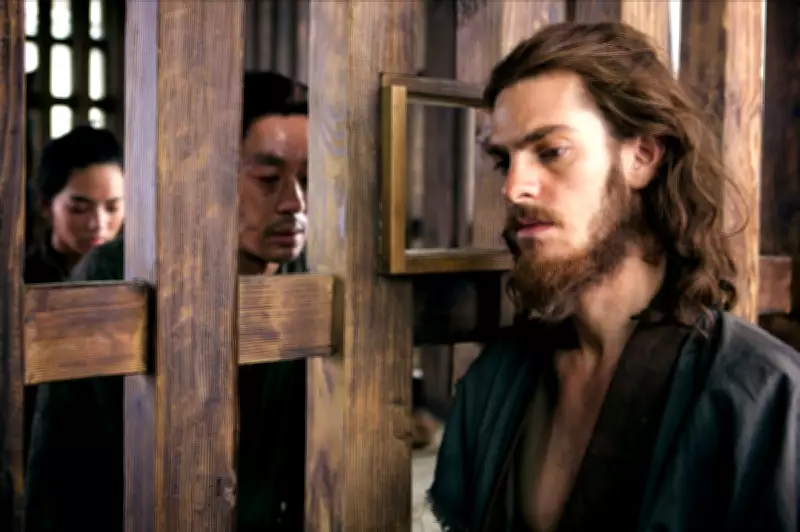
Martin Scorsese's 'Silence' Explores Faith and Persecution in 17th Century Japan
Martin Scorsese's film Silence presents a gripping historical drama set in 17th century Japan, focusing on the harrowing journey of two Jesuit priests. The narrative delves into the intense persecution faced by Christians during this period, as the priests embark on a perilous mission to locate their missing mentor.
A Deep Dive into Historical Context and Themes
The film meticulously portrays the brutal crackdown on Christianity by the Tokugawa shogunate, which sought to eradicate foreign influences from Japan. Scorsese uses this backdrop to explore profound themes of faith, doubt, and sacrifice, challenging viewers to reflect on the nature of religious conviction in the face of extreme adversity.
Key elements of the film include:

- The priests' struggle with their beliefs as they witness the suffering of Japanese converts.
- The moral dilemmas posed by the shogunate's demands for apostasy.
- Scorsese's signature visual style, which enhances the emotional and spiritual weight of the story.
Critical Reception and Cultural Impact
Upon its release, Silence received widespread critical acclaim for its powerful storytelling and thought-provoking themes. Critics praised the performances, particularly by Andrew Garfield and Adam Driver, who portray the Jesuit priests with depth and nuance.
The film has sparked discussions about religious tolerance and historical accuracy, contributing to a broader cultural dialogue on faith and persecution. Its exploration of these universal issues resonates with audiences globally, making it a significant work in Scorsese's acclaimed filmography.
Overall, Silence stands as a testament to Scorsese's ability to blend historical detail with profound philosophical inquiry, offering a compelling and emotionally resonant cinematic experience.