The Lord of the Rings Franchise Has Forgotten Its Winning Formula
With the announcement that Jamie Dornan will replace Viggo Mortensen as Aragorn in the upcoming spinoff film The Hunt for Gollum, serious questions are being raised about whether the original magic of Peter Jackson's trilogy can ever be truly recaptured. The news has sparked widespread debate among fans and critics alike, highlighting deeper concerns about the franchise's direction.
A Quarter Century of Unmatched Success
Twenty-five years after The Fellowship of the Ring premiered in cinemas, Peter Jackson's adaptation of J.R.R. Tolkien's work remains a towering achievement in cinematic history. The trilogy accomplished what many considered impossible: transforming niche high fantasy into critically acclaimed blockbuster entertainment that resonated with both audiences and reviewers. The perfect storm of production design, musical score, direction, and most importantly, casting created an enduring cultural phenomenon.
Most subsequent attempts to replicate this success have fallen short dramatically, with only Game of Thrones managing to capture similar cultural momentum in the fantasy genre. This context makes the challenges facing The Hunt for Gollum particularly daunting.

The Casting Conundrum That Defines the Problem
The Hunt for Gollum occupies an unusual narrative space within the Lord of the Rings universe, neither prequel nor sequel but rather filling a gap in the original Fellowship timeline. The film focuses on the search for the ring-obsessed creature Gollum, with Andy Serkis reprising his iconic role while also directing the project. Sir Ian McKellen returns as Gandalf and Elijah Wood as Frodo, with Lee Pace back as Thranduil from The Hobbit trilogy.
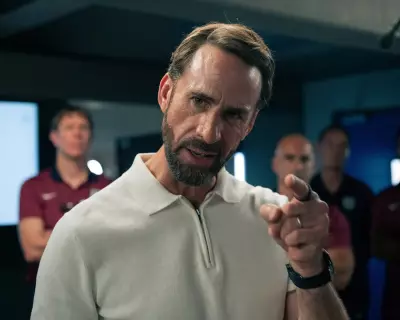
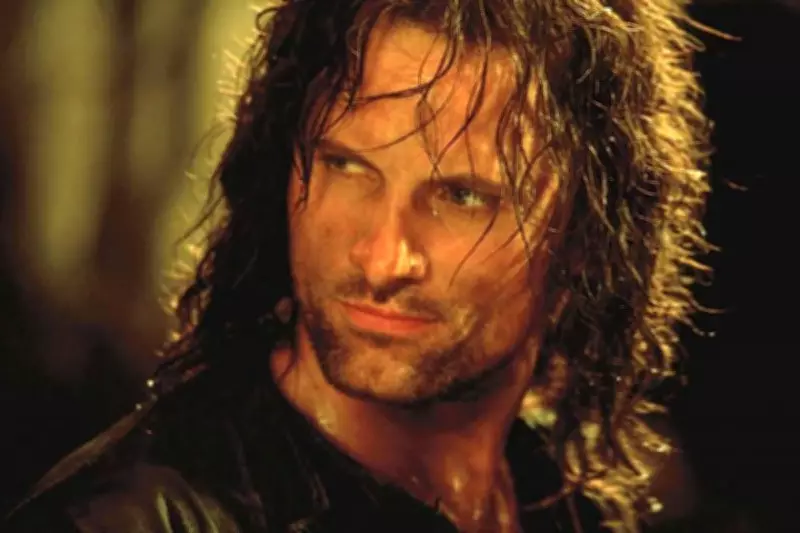
However, the most significant development is the recasting of Aragorn, with Fifty Shades of Grey star Jamie Dornan taking over from Viggo Mortensen. Fan reactions have been predominantly negative, though this reflects more on Mortensen's indelible performance than any criticism of Dornan's abilities. The situation mirrors other troubled recastings in major franchises, such as Alden Ehrenreich's portrayal of Han Solo in Solo: A Star Wars Story, which faced intense scrutiny for not being Harrison Ford.
Why the Original Casting Was So Crucial
Before The Fellowship of the Ring, Viggo Mortensen was an unconventional actor with leading-man looks but a distinct aversion to mainstream blockbusters. His edge and idiosyncratic approach brought unexpected depth to Aragorn, and his casting was itself a last-minute replacement for Irish actor Stuart Townsend who had already begun filming. The entire original ensemble represented inspired, left-field choices rather than predictable star vehicles.
Even established names like Ian McKellen, Christopher Lee, and Sean Bean delivered performances that prioritized character over celebrity. This casting philosophy created an authentic ensemble that became integral to the trilogy's success, a formula that subsequent Middle-earth projects have struggled to replicate.
The Broader Pattern of Diminishing Returns
Even within the Lord of the Rings universe itself, attempts to recreate the original magic have consistently fallen short. Peter Jackson's Hobbit trilogy faced criticism for its over-reliance on CGI at the expense of practical effects, but equally problematic was its casting. While commercially successful with each film earning approximately $1 billion, the new leads failed to capture the memorable quality of their predecessors.
More recent expansions have shown even clearer signs of franchise fatigue. Amazon Prime Video's The Rings of Power television series, drawing from Tolkien's lesser-known writings with an entirely new cast, represents one of the most expensive television productions ever made. Despite recently filming its third season, the show has received mixed reviews and failed to generate the cultural buzz Amazon anticipated.

Similarly, the anime-inspired feature film The Lord of the Rings: The War of the Rohirrim underperformed at the box office in late 2024, recouping only two-thirds of its $30 million production budget. These developments suggest that audience appetite for Tolkien adaptations may be more selective than previously assumed.
The Fundamental Challenge of Recasting Iconic Roles
The return of original cast members like McKellen and Wood to their roles carries a certain nostalgic appeal, but also risks appearing like a desperate attempt to recapture past glory. When combined with recasting decisions like Dornan replacing Mortensen, the entire project faces inevitable and potentially damaging comparisons.
If Dornan's performance falls short of exceptional, the film risks being perceived as an inferior imitation—the cinematic equivalent of "We have Aragorn at home." This creates a no-win situation where even competent performances may be judged harshly against iconic predecessors.
The central question remains: in hunting for Gollum, has the franchise lost sight of what made audiences care about Middle-earth in the first place? The original trilogy's success stemmed from specific creative decisions executed with remarkable precision, not merely from generic fantasy appeal. As The Hunt for Gollum moves forward with its controversial casting changes, it must confront whether it can rediscover that elusive alchemy or if it's destined to become another footnote in the expanding but increasingly diluted Lord of the Rings universe.