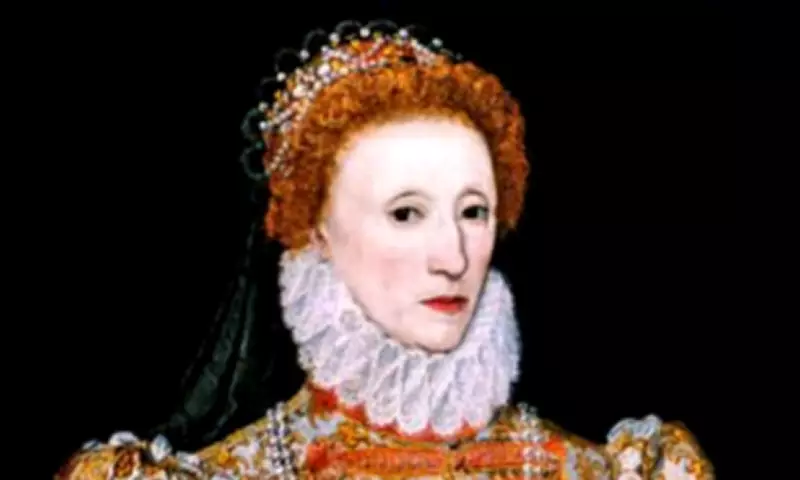
ITV is reportedly planning a new period drama that will explore the provocative question of whether Queen Elizabeth I was transgender, with insiders warning the project is 'guaranteed to anger viewers'. According to reports, bosses at the broadcaster have been actively seeking 'actors who identify as transgender women' to portray the Tudor monarch in the upcoming series.
Historical Speculation and Gender Theories
The drama, set in the court of her father, King Henry VIII, will delve into what has been described as a 'profound secret' related to the queen's gender. Elizabeth I, who reigned from 1558 to 1603 and was known as the Virgin Queen due to her childlessness, has long been associated with traits typically ascribed to male monarchs. Her famous speech during the Spanish Armada's failed invasion in 1588, where she declared, 'I know I have the body of a weak and feeble woman, but I have the heart and stomach of a king,' has fueled speculation among history enthusiasts.
Medical and Mythical Interpretations
Some theories suggest Elizabeth may have had male pseudo-hermaphroditism, also known as testicular feminisation, a condition that results in a female external appearance but lacks a uterus or ovaries. Others reference the Bisley Boy myth, which posits that Princess Elizabeth died young and was replaced by a red-haired boy. However, historians widely dismiss these claims as false, often attributing them to folklore and misogyny rooted in the difficulty of accepting a woman's successful rule without marriage.

An insider commented, 'Most historians dismiss the claims as misogyny motivated by the idea no woman could be as strong or capable without actually being a man. But it’s a theory which captures the imagination and appears to answer a lot of other questions around the unique queen.' The source added that while the drama is likely to upset many who view Elizabeth as one of Britain's greatest women, it aims to explore these controversial angles.
Production Details and Previous Dramatisations
The six-part series, currently under the working title Majesty, was first announced in 2024, with filming scheduled for summer and a debut expected in 2027. Writers have described it as 'a contemporary-feeling alternate history about how three outsiders try to stay alive while hiding a secret that, if discovered, would rock England to its foundations.' ITV has not yet commented on the reports.
This is not the first time Queen Elizabeth I's life has been dramatised. In 2017, Channel 5 aired a docu-drama series featuring former supermodel Lily Cole as the Tudor queen. Presented by historians Dr Suzannah Lipscomb and Dan Jones, the series blended historical fact with reconstructions, focusing on the many threats Elizabeth faced throughout her life, from her mother Anne Boleyn's execution to plots against her reign.
Elizabeth's Tumultuous Reign
The Channel 5 series highlighted Elizabeth's early struggles, including her traumatic upbringing after her father Henry VIII had her mother executed, her isolation as an illegitimate child, and threats from figures like Thomas Seymour. It also covered her conflicts with half-sister Mary I, the Spanish Armada, and the execution of her cousin Mary, Queen of Scots. Historian Dan Jones noted, 'She was seriously under threat at least a dozen times. We hope it will fascinate people because the Elizabethan age really is the start of the modern age.'
Lily Cole, who researched extensively for the role, reflected on Elizabeth's resilience, saying, 'I tried to think about her from her perspective. I don’t think she would have thought of herself as a feminist but I do think she felt capable, smart, sure of her own merits and anxious not to be put into a submissive position just because she was a woman.'
As ITV moves forward with its new drama, the exploration of Elizabeth I's gender identity promises to reignite debates about historical interpretation, representation, and the boundaries of creative storytelling in period productions.