With tech billionaires like Sam Altman, Mark Zuckerberg, and Peter Thiel investing in underground bunkers, a wave of 'bunker-buster' dramas is exploring whether these elites know something the rest of us don't. Shows like Disney+'s Paradise and Amazon's Fallout tap into public fascination with doomsday shelters, questioning the ethics and realities of survivalism.
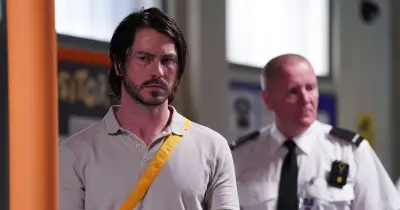
Paradise, now in its second season, follows tech-billionaire Samantha Redmond who builds an underground city for 25,000 people amid a climate catastrophe. The twist? The nukes never went off, and the surface world is not the wasteland imagined. Actress Krys Marshall notes the show's focus on resilience rather than pure dystopia: 'We're watching what happens when folks are down but they're not out.'
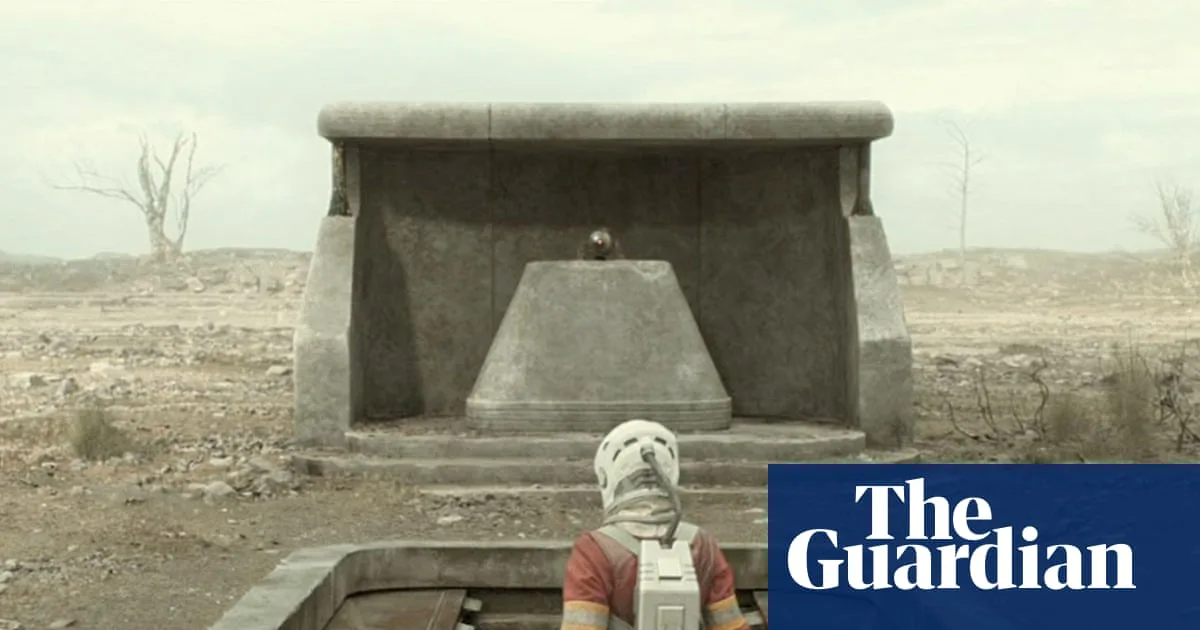
In contrast, Fallout presents a more traditional post-apocalyptic wasteland, where survivors from sanitised 1950s-style bunkers face mutated monsters and warring factions. The character of 'the Ghoul' (Walton Goggins) straddles both worlds, raising questions about humanity's survival and the lies that bunkers often conceal.

David Pike, author of After the End, traces these narratives back to Ayn Rand's Atlas Shrugged, calling them 'rightwing fantasies' where elites build super shelters. He adds, 'There's always a moment where the bunker turns out to be based on deception... I wonder if that's partly from the pandemic experience, realising how miserable it is to be bunkered.'
Channel 4's upcoming show promises to be the UK's boldest TV experiment, delving into the psychology and reality of bunker life. As these dramas proliferate, they force viewers to confront uncomfortable truths about privilege, survival, and the human condition in an uncertain world.