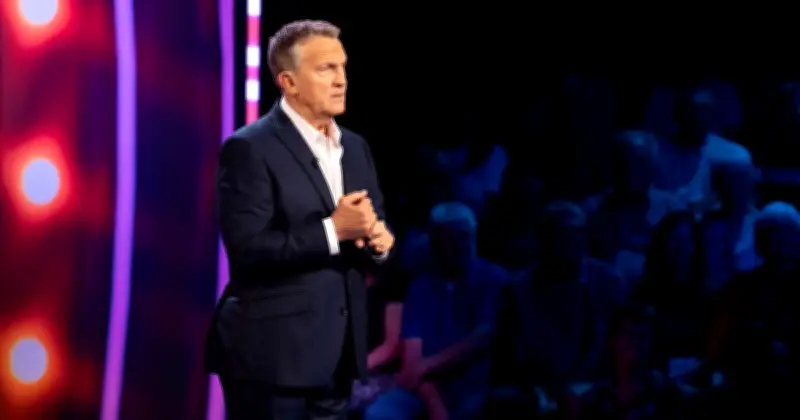
Bradley Walsh was visibly emotional as his new Channel 4 show 'Million Pound Shot' was revealed to be a hoax designed to expose gambling industry tactics. The 66-year-old broadcaster interrupted the programme on Sunday (November 1) to confirm the segment was not a real quiz show.
Show Revealed as Gambling Experiment
The show, billed as a “UK first” and promoted as a “nail-biting brand-new one-off quiz event in which three plucky contestants step up for the chance to win £1million,” was actually an experiment to demonstrate the techniques gambling companies use to encourage people to bet more.
Walsh told the audience: “I feel strongly about this, which is why I've taken part in the show. I wanted to show you how dangerous this industry could be.” Struggling to hold back tears, he added: “We talked a lot about the twist of contestants playing with their own money, but the actual twist was that this wasn't a real quiz show whatsoever. The purpose of the programme was to demonstrate the entirely legal techniques that gambling companies use to draw people in and encourage them to keep spending.”
Fictional Contestant Inspired by Real Story
All eyes were on contestant Reece, played by an actor, who said he was struggling financially but could spend up to £1,700. As the stakes rose, he bet more and more, gambling up to three times his original budget. Although fictional, the character was inspired by a real person, a teacher named Patrick.
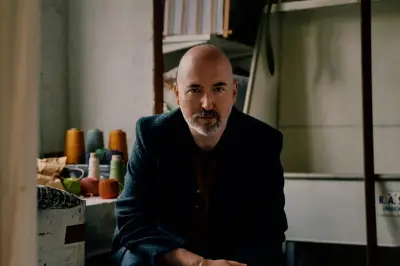
Patrick revealed he started gambling at university, placing a £2 bet on a roulette machine and walking away with £72. For the next 13 years, he didn't go a day without placing a bet, admitting gambling “became like a drug” to him. He confessed: “When it's online, the money doesn't feel real,” adding he had no idea how much he had lost and at one point had up to 76 online accounts.
Debt and Desperation
Patrick met his partner Charlotte in December 2016 at the height of his addiction, when he was up to £300,000 in debt. His gambling spiralled so much that he began approaching the parents of pupils he taught for money. After an investigation was launched, Patrick tried to gamble his way out, confessing, “I did it all day and all night.”
He managed to win £78,000 and bet it on one horse at the Cheltenham Gold Cup in 2018, adding that if it didn't win, he would take his own life. The horse lost. He recalled: “I was broken and numb. I was so terrified, because it suddenly felt real.” Patrick eventually told his partner about his huge financial debt. Charlotte helped him get the help he needed, and Patrick no longer gambles but admitted he still has a “huge amount of debt.”
Techniques Exposed and Industry Response
The show highlighted techniques such as “bet balls,” which psychologist Dr Steve Sharman explained function like poker chips or slot machine credits, distancing individuals from their money. He said: “When you place some psychological distance between the individual and their money by tokenising it, people using the tokenised money end up spending more money.” Other techniques included losses disguised as wins, the illusion of control, and free bets.
Over £1bn is spent on gambling advertising every year, and the experiment used phrases from ads, including “I've got a good feeling about this,” used in Sky Bet's ad featuring Roy Keane and Micah Richards. Walsh said: “It's quite extraordinary, actually. You see the ads everywhere. In fact, even on this and every other commercial channel you watch. So it's everywhere.”
Will Prochaska, a campaigner for Gambling Reform, said: “Our children are watching that. Why are we grooming the next generation into thinking this is normal?” The Gambling Commission says it has implemented consumer protections, including tightening rules on free bets, while a Betting and Gaming Council spokesperson said members operate in one of the most tightly regulated gambling markets in the world, with practices such as losses disguised as wins banned for years.