Monarchy's Future in Doubt After Andrew's Arrest: Can the Royal Family Survive?
For nearly a thousand years, the British monarchy has endured with remarkable continuity, weathering family conflicts, rebellions, and even regicides. Despite brief interruptions like the mid-17th century hiatus, the royal line has persisted through shifting dynasties and succession rules, where cousins or grandchildren sometimes ascended when direct heirs were absent or unsuitable. King Charles III can trace his lineage directly back to William the Conqueror, embodying this unbroken historical thread.
The Pillar of National Unity
This enduring institution has provided immense benefits since Britain evolved into a constitutional monarchy. The sovereign has consistently served as the paramount symbol of national unity, operating above the fray of partisan politics while governing with parliamentary consent. Successive monarchs have become synonymous with British identity, representing the nation's heritage, liberties, culture, and legal traditions.
Throughout the turbulent 19th and 20th centuries, when revolutions convulsed much of the world, Britain remained a beacon of stability. During times when tyranny threatened freedoms, millions volunteered to fight for 'King and Country,' demonstrating the monarchy's powerful unifying role.

Unprecedented Crisis and Disgrace
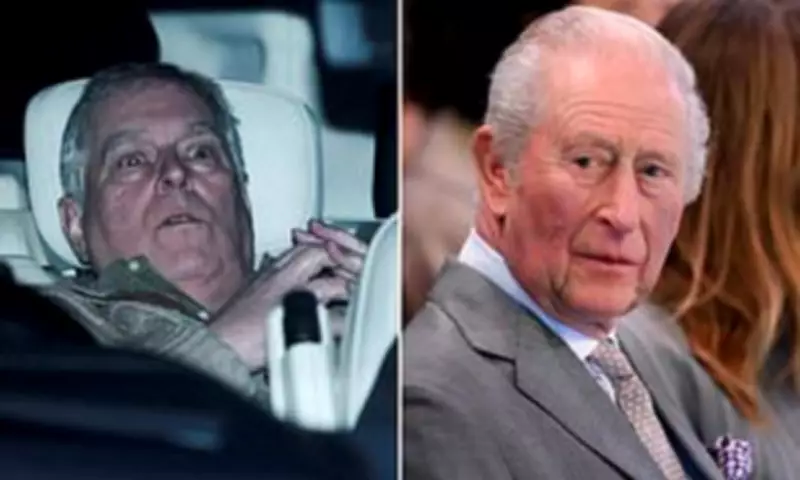
Now, with the arrest and profound disgrace of the King's brother, Prince Andrew, many are suggesting the monarchy's future appears bleak. The arrest of Andrew Mountbatten-Windsor, who was seen leaving a Norfolk police station, has fundamentally questioned the institution's stability. This occurred on the same day King Charles attended London Fashion Week, creating a stark contrast between royal duties and scandal.
This represents unquestionably the most damaging royal crisis in a generation, arguably since the 1936 abdication. Andrew faces not only squalid sexual abuse claims but also allegations of leaking confidential state documents during his tenure as a UK trade envoy. His arrest and eleven-hour police interrogation for suspected misconduct in a public office marked unprecedented ignominy for a senior royal.
Irreparable Damage and Public Shame
Regardless of guilt or innocence, Andrew has undeniably brought shame upon his family through his association with Jeffrey Epstein, the world's most notorious sex trafficker. He immersed himself in what can only be described as a moral cesspit through this friendship. There remains no hope for public redemption regardless of investigation outcomes. The only honour he retains is his position in the royal succession line, which many argue should be immediately revoked.
Republicans now clamour louder for an elected president, while even monarchy supporters fear the institution's image may be tarnished beyond repair. The critical question emerges: can the monarchy recover from such an agonising blow to its prestige? For the nation's sake, many hope the answer remains affirmative.
Institutional Failures and Necessary Reforms
The royal establishment, often called 'The Firm,' should have acted more swiftly to distance itself from Andrew, acknowledge his appalling behaviour, and express genuine sympathy for Epstein's victims. Difficult questions still demand answers regarding institutional responses and accountability.
However, before dismantling an institution that has served Britain for a millennium, we must carefully consider what would replace it. The likely alternative would be an elected president drawn from whatever political party holds power at the time, however tenuously. This would create a potentially precarious hostage to fortune in the nation's highest symbolic office.
The Path Forward for the Monarchy
This does not mean royals can behave as they choose without consequence. They must demonstrate integrity, motivated by public duty and genuine commitment to service. The Andrew scandal has undoubtedly stained the royal family's reputation, yet with the core nucleus of Charles, Camilla, William, and Kate, most people believe the monarchy remains in capable hands.

In today's maelstrom of bitter adversarial politics, the alternative to constitutional monarchy doesn't bear contemplation for many Britons. The institution must now navigate this crisis with transparency and reform while preserving its essential role as a unifying national symbol above political divisions.