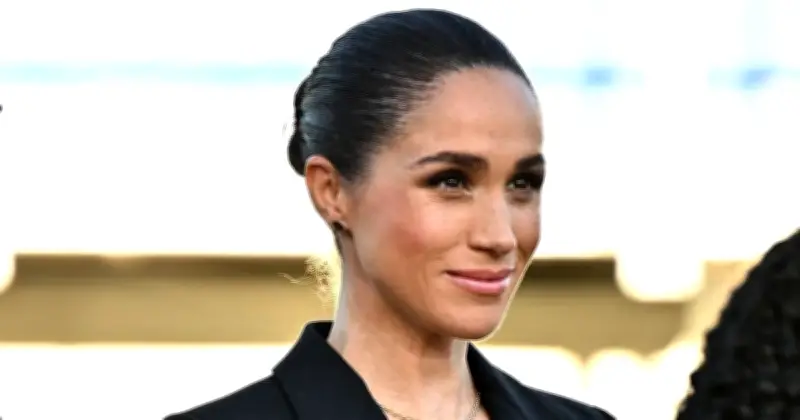
Meghan Markle's return to Britain demonstrates that her life in California could never replicate one crucial element: royal relevance. The Duchess of Sussex, 45, built a new existence in the US, complete with a sprawling Montecito mansion, sunshine, celebrity neighbours, a lifestyle brand, Netflix cameras and freedom from the Royal Family. Yet, according to an opinion piece by Alicia Liberty, this was everything she and Prince Harry appeared to want when they left royal life more than six years ago—except for the one thing that made them globally fascinating.
California's limits versus Britain's proximity
America provided Meghan with celebrity status, but Britain offers proximity to the monarchy, and these are not the same thing. Upon arriving in the US, Meghan had enormous global recognition, which led to deals with Netflix and a brief partnership with Spotify. Her lifestyle brand, As Ever, and the show With Love, Meghan, represent her latest commercial ventures. However, without the titles, Palace intrigue and the ongoing question of relations between the Sussexes and the Windsors, much of that fascination could diminish.
Meghan was an actress before marrying Prince Harry, but she became a global phenomenon after the marriage. California could offer A-list dinner parties and expensive business deals, but it could not manufacture the ingredient that made the Sussexes uniquely interesting in the first place: the monarchy itself.
The gravitational pull of the Crown
Back on British soil, the equation changes instantly. A simple lunch becomes a matter of public interest—who attended, whether any royals were present, and if reconciliation might be underway. An outfit is scrutinised for its designers and compared with Princess Catherine's wardrobe. Even a drive through Gloucestershire gains significance when Highgrove and Gatcombe Park are nearby. Meghan does not need to return as a working royal to benefit from the Crown's gravitational pull; she merely needs to be close enough to orbit it.
After six years of building an identity supposedly independent of the Firm, there is irony in discovering that being within touching distance of it could make Meghan more interesting than ever. Harry and Meghan have proven they can make money outside the monarchy, but they have struggled to generate the same extraordinary fascination without being connected to it.
The ultimate currency
Britain reconnects them to that source of intrigue without requiring Meghan to endure the inconveniences of being a working royal—no ribbon-cutting, no Palace hierarchy, no obligation to represent the King. Yet the royal title remains, as do the family connections and the comparisons with Catherine. Every hint of reconciliation becomes a headline.
Meghan may simply want Britain to play a meaningful role in her family's life again, and circumstances can change. But the optics are impossible to ignore: she left Britain to avoid being defined by the monarchy, and now she is returning to the one country where being the Duchess of Sussex means more than anywhere else on earth. California gave Meghan money, sunshine and freedom; Britain gives her the one commodity Montecito could never manufacture—royal relevance.