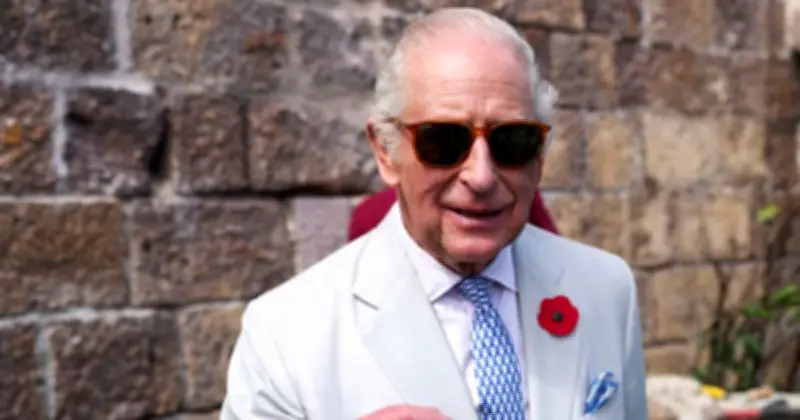
King Charles confronted the contentious debate over slavery reparations before the 56 Commonwealth member states, offering no apology for the past while navigating one of the sharpest constitutional tightropes in modern history. Calls for apologies and reparations had dogged every step of his Caribbean tour, but the monarch drew a firm line, with Buckingham Palace making clear his role is "best understood as one of inspiring and convening rather than policy-making."
Palace Defiant on Apology
Palace aides insisted the King would "not shy away" from the debate, promising he would confront history with "unflinching honesty" and offer no apology. This turned what threatened to overshadow a summit of this magnitude into one of its defining moments.
The King has long been a man intent on inclusion, harmony, friendship, and faith, but he proved he can be tough when needed. His soft power should never be underestimated, and fears that he would be a meddlesome monarch have long since dissipated.
From Black Spider Memos to Convenor
Gone are the days of his famously scrawled Black Spider Memos, written when he was still the Prince of Wales, which found their way into the pigeonholes of Westminster's top decision-makers. Those letters proved he was a man who cared deeply, held strong views, and possessed an intense desire to be useful in any way he could while he waited for the job he was born to do.
Ever mindful of the ancient, delicate balance between Crown and government, he operates not as an activist or spokesman, but as an indispensable convenor. He reads the room, broaches difficult subjects, but leaves the mechanics of legislation to the politicians.
Modern Monarch
From the moment of his accession, Charles's approach has been tailored to a modern era as he solemnly pledged to uphold the constitutional principles at the heart of the nation. He said: "And wherever you may live in the United Kingdom, or in the realms and territories across the world, and whatever may be your background or beliefs, I shall endeavour to serve you with loyalty, respect and love, as I have throughout my life."
That first speech to the nation as King, delivered so shortly after his mother's death, cast him as a warm father or grandfather figure. Despite being the oldest royal to succeed to the throne, his outlook is thoroughly in-keeping with modern Britain.
His almost six decades of environmental campaigning, his inclusion of all faiths at his Coronation, and his acute sensitivity to nations reassessing their relationship with the Commonwealth show where the King's priorities lie. Much like his great-great-grandfather, King Edward VII, his legacy will be that of a great diplomat and a genuine friend to the people, a monarch respected for his tact, emotional intelligence, and refusal to dodge challenges. He has shown that the Crown need not be an obstacle to honest dialogue, and that traditional duty can be guided by kindness and quiet morals.