King Charles is confronting one of the monarchy's most uncomfortable challenges during his Caribbean tour, but Prince William could inherit a royal headache, writes Alicia Liberty in this opinion piece.
The King has spent his entire life championing the Commonwealth, but as he navigates one of the most politically sensitive overseas tours of his reign, his determination to preserve the institution could leave Prince William facing an almighty royal headache. With demands for slavery reparations, a formal apology and questions over the monarchy's relevance growing louder, the King faces an almost impossible balancing act between honouring Britain's past and securing its future.
King Charles faces an impossible balancing act
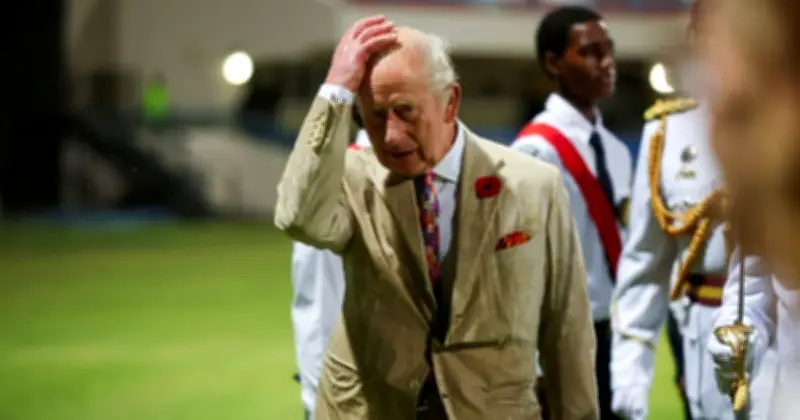
The King arrived in the Caribbean last week for a nine-day tour taking in the Bahamas, Guyana and Antigua and Barbuda, culminating in the Commonwealth Heads of Government Meeting. Beneath the ceremonial welcomes and diplomatic handshakes lies a far more uncomfortable conversation about Britain's involvement in the transatlantic slave trade.
Charles has previously expressed profound personal sorrow over slavery and acknowledged the suffering and injustices of the past, yet he has stopped short of delivering a formal apology. Meanwhile, Caribbean campaigners are demanding meaningful action, including reparations, while the British Government continues to reject financial compensation. King Charles, 77, is expected to represent a country whose history is being challenged while operating within the political boundaries set by its government.
Prince William must be allowed to forge his own path
The Prince of Wales, 44, will one day become King, but unlike the Crown itself, the position of Head of the Commonwealth is not hereditary. Its future holder must be chosen by Commonwealth leaders, a distinction that could prove particularly significant as member nations reassess their relationships with Britain.
William and Catherine's controversial Caribbean tour in 2022 demonstrated just how quickly royal visits can become overshadowed by questions about colonial history. The Prince of Wales has stepped up for the Firm in recent years, taking on more responsibilities.
The monarchy cannot live in the past
One of William's greatest strengths is his willingness to challenge royal convention, whether through his environmental work or his efforts to give the monarchy a more contemporary identity. But becoming King will bring responsibilities far beyond those he currently shoulders, including navigating changing public attitudes, difficult historical questions and increasing scrutiny over its relevance.
This isn't about abandoning the Commonwealth or dismissing the important relationships Charles has worked to strengthen. It's about recognising that the organisation belongs equally to its member nations, not to the British monarchy.
King Charles must think about William's future
King Charles deserves credit for confronting uncomfortable conversations rather than pretending they don't exist. But his greatest responsibility now is not simply to protect the traditions he inherited, but to ensure the next generation has room to adapt them. Prince William shouldn't have to choose between honouring his father's legacy and creating a monarchy that works for his own reign.
While Charles is determined to preserve the Commonwealth relationships he holds dear, William may ultimately have to accept that some royal traditions cannot survive unchanged. Charles inherited a monarchy shaped by his mother, but William deserves the chance to build one shaped by his generation. If the King cannot accept that, it could be his son who pays the price.