King Charles completed a nine-day tour of the Caribbean that drew warm crowds and genuine cheers, yet it did little to settle the growing calls for an apology and reparations across the region. The tour took in three nations, with the King facing repeated questions about the legacy of the transatlantic slave trade.
A Warm Welcome in Nassau, Guyana and Antigua
In Nassau, Charles surprised onlookers by joining the dancing at a Junkanoo parade. In Guyana, on a state visit marking 60 years of diplomatic ties, he was welcomed with a traditional necklace by Indigenous women and stood at Independence Park to recognise both the suffering of the enslaved and their resistance. Even a torrential downpour in Antigua failed to dampen the warmth of the crowds who cheered him at the independence celebrations.
Addressing the Calls for an Apology
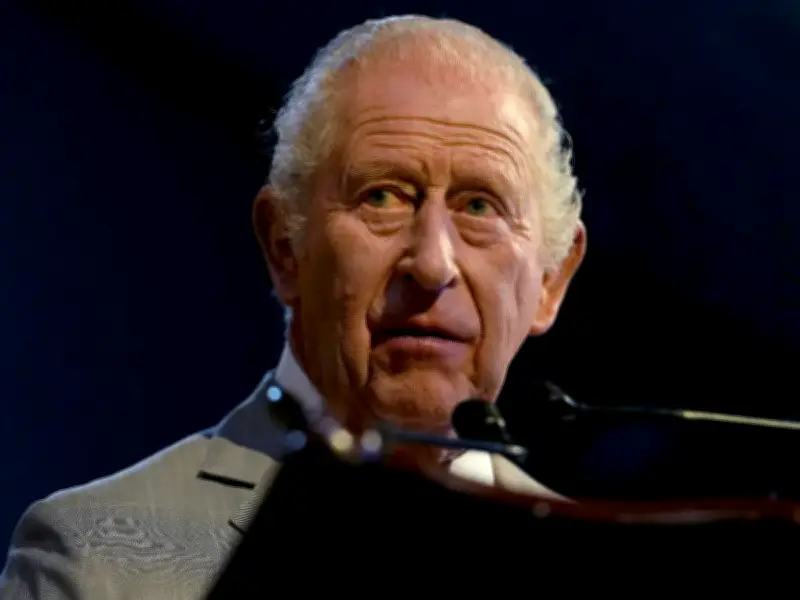
In his opening address to the Commonwealth Heads of Government Meeting, Charles faced down calls for an apology by reminding the world that Britain, and the Royal Navy in particular, helped bring the transatlantic trade to an end. Evil, he declared, need not have the last word. He spoke again of his profound personal sorrow, of a trade that still casts a shadow over many parts of the world still connected to Britain, though these are words he has offered before in Kigali, in Barbados and in Nassau only a week earlier.
Andy Burnham's openness to discussing an apology raised expectations sharply on the eve of the summit, and the Prime Minister was left fending off claims he had made life difficult for the King. Yet nothing changed. Charles acts on the advice of his government, and Mr Burnham has neither asked him to apologise nor moved an inch on reparations.
William's Inheritance and the Future of the Commonwealth
For Prince William, the landscape has also changed forever. His 2022 tour of the region turned sour, and he knows how quickly a Caribbean tour can go wrong. His inheritance will undoubtedly contain these same issues, which can consume if not properly armed with a plan. The monarchy must fear that charm offensives and staged walkabouts will not be enough to hold the line.
PMs Philip Davis of The Bahamas and Gaston Browne of Antigua have both spoken about becoming republics, and Jamaica has addressed its reparations petition to the King. This is not a campaign that will only grow after the royal plane has departed. Charles has gone further than any monarch before him, but the cheers may count for little when these nations decide their futures.
George's First Public Appearance Since Eton
Prince William took Prince George to a football match at the Camp Nou, where Barcelona put three past their beloved Aston Villa. It was George's first public appearance since starting at Eton in September, a half-term treat with his dad in front of more than 80,000 fans. There was a personalised Barca shirt from club president Joan Laporta and a seat in the VIP box.
William is easing George into public life on his own terms, through shared passions rather than stiff engagements. By letting his son grow used to the cameras at a football match, where the only pressure is on the players, William is building his confidence quietly and naturally.
Celebrity Support and the Duchess of Edinburgh
Sir Idris Elba, whose acting career was kickstarted by a grant from the King's Trust, has become one of Charles's most loyal champions. West Indies legend Sir Vivian Richards has agreed to become an ambassador for Charles's Sustainable Markets Initiative, telling reporters in Antigua it is "an immense privilege to represent the King in Antigua and across the Commonwealth".
The Duchess of Edinburgh, a global ambassador for the International Agency for the Prevention of Blindness, joined the first-ever Global Summit for Eye Health, held alongside CHOGM, so the issue could catch the attention of world leaders. She rarely grabs the headlines, but she is exactly the kind of silent doer a slimmed-down monarchy depends on.