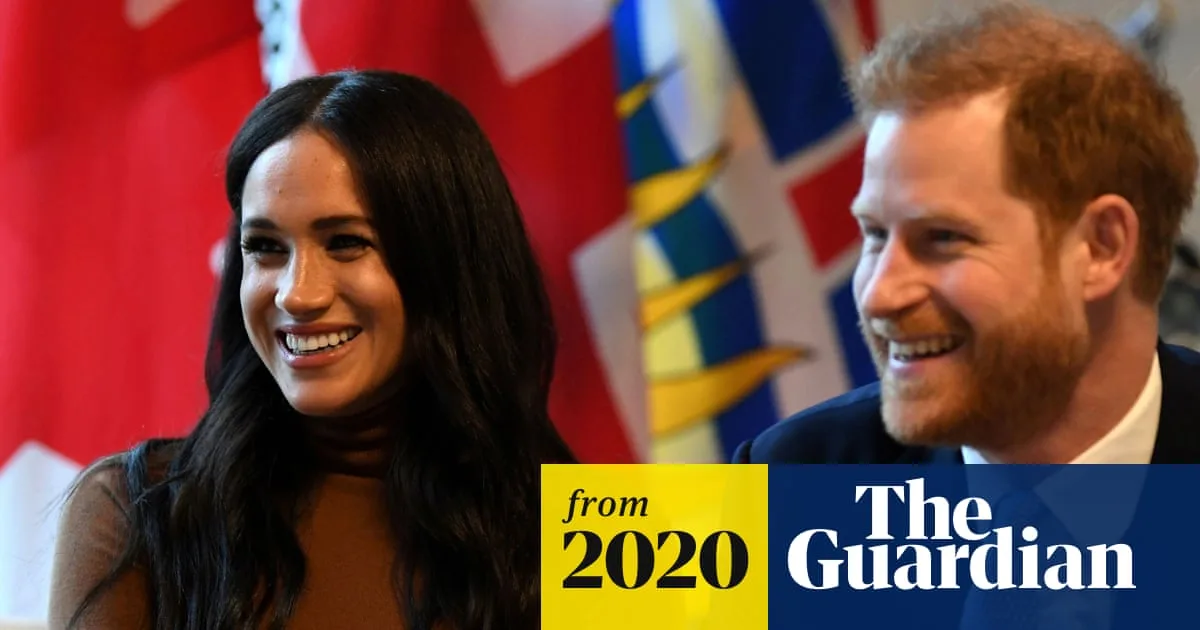
The Duchess of Sussex did not participate in the Queen's Sandringham summit to decide the future roles of herself and Prince Harry, it has emerged, as the remaining full-time working royals returned to their official engagements. Sources had earlier indicated Meghan might join via conference call from Vancouver Island, where she returned on Thursday to be with son Archie and the couple's dogs.
The couple decided Meghan's direct input was not necessary for the highly confidential meeting hosted by the Queen, led by the Prince of Wales, and attended by Princes William and Harry. A palace source said: 'In the end, the Sussexes decided it wasn't necessary for the duchess to join.' Harry argued the couple's case alone, the first time all four senior royals met face-to-face since the couple's announcement last Wednesday.
Confirmation that it was the couple's decision for Meghan not to take part will stymie speculative reports she had been deliberately excluded, aides hope. Buckingham Palace has yet to reveal full details of how the Sussexes might achieve their goal of splitting time between the UK and Canada, stepping back as senior royals, and becoming financially independent.
The Queen gave the plan her reluctant blessing, stating after the 90-minute meeting: 'Although we would have preferred them to remain full-time working members of the royal family, we respect and understand their wish to live a more independent life.' She stressed 'complex matters' remain, with final decisions expected in the coming days. Key issues include funding and security costs, as the couple split their time between the UK and North America.
Canadian Prime Minister Justin Trudeau revealed the federal government had not been involved 'up until this point' about the couple's move. Prince Harry's first public engagement since the crisis will be on Thursday, conducting the draw for the Rugby League World Cup at Buckingham Palace.