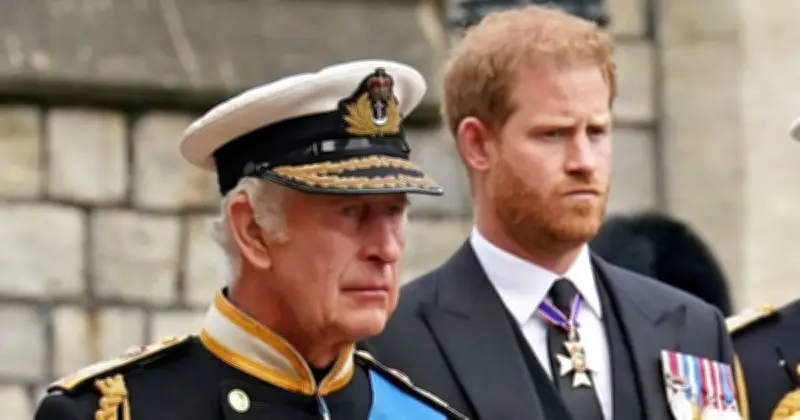
Prince Harry's reunion with King Charles at Highgrove may signal a new chapter for father and son, but if he hopes it will reopen the door to a "half-in, half-out" royal role, he may be heading for heartbreak.
The Original Proposal
In January 2020, Prince Harry and Meghan Markle announced their intention to step back as senior working royals while continuing to support the late Queen. They sought financial independence and the freedom to pursue commercial opportunities while still carrying out selected royal duties. This arrangement quickly became known as the "half-in, half-out" model.
Harry had spent his entire life serving the monarchy, and Meghan had embraced royal engagements. Their vision seemed plausible to them, but the monarchy has never operated that way. Queen Elizabeth II understood that representing the Crown cannot be switched on and off based on personal or commercial commitments. It is a lifelong commitment rooted in public service, political neutrality, and duty.
The Fallout
After their departure, the couple's 2021 interview with Oprah Winfrey included allegations about conversations regarding the color of Archie's skin before his birth. The interview sparked global debate and scrutiny. Harry later clarified he did not believe his family was racist, distinguishing allegations of racism from unconscious bias, but the damage had already been done.
The Netflix documentary and Harry's memoir, Spare, published in January 2023, exposed personal conversations and disagreements, widening the divide. Despite this, Harry has returned to Britain for significant events: the Queen's funeral in September 2022, the Coronation in May 2023, legal proceedings on security, the WellChild Awards, and the Invictus Games anniversary service in 2024.
Following King Charles' cancer diagnosis, Harry flew to Britain to see his father. Reports now suggest that Harry, Meghan, Archie, and Lilibet spent time with the King at Highgrove, marking a potential full-circle moment.
The Core Issue
Reconciliation within a family is different from reconciliation with the institution of monarchy. The monarchy's value lies in its demand for total service. Working royals devote their lives to representing the nation, supporting charities, and strengthening diplomatic ties without commercial interests influencing their work.
If senior royals were free to profit from their status while still representing the Crown, the line between public duty and private business would become indefensible. Meghan and Harry have the right to pursue their own ventures, but those choices sit outside the responsibilities of senior working royals.
Duty and respect for the institution must come first. This is not about punishing Harry or Meghan but protecting the monarchy. While personal relationships may heal, the monarchy cannot compromise. Duty will always come before everything else.