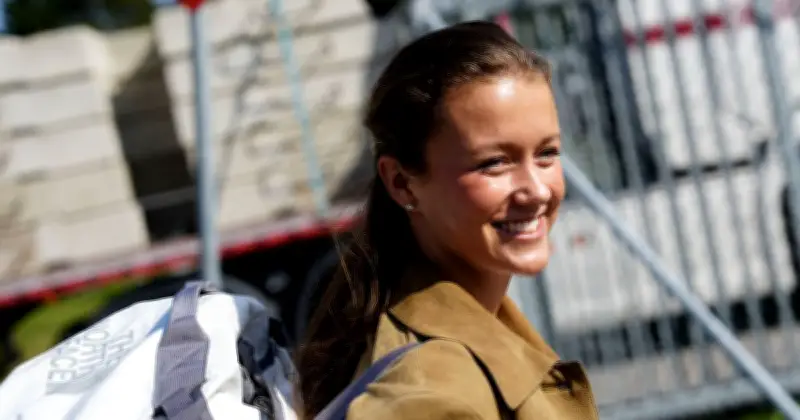
Princess Isabella of Denmark has begun her mandatory military service, joining 1,600 new recruits for an 11-month stint that includes five months of basic training and six months of operational duty. The 19-year-old daughter of King Frederik and Queen Mary is expected to serve with the Guard Hussar Regiment in Slagelse.
First Woman Born into Royal Family Since 1940s
Isabella is the first woman born into the Danish royal family since the 1940s, yet she is following in the footsteps of her older brother, Prince Christian, who trained with the same regiment. The royal has turned down the food allowance and salary, with the King and Queen funding her service.
Denmark has ramped up its defence build-up in response to Russia's ongoing war in Ukraine and Arctic security fears. The move also comes amid expansionist overtures by Donald Trump, who has repeatedly expressed a desire to annex Greenland.
Denmark Expands Conscription
Greenland is a strategically important, resource-rich autonomous territory of the Kingdom of Denmark. Trump has claimed the US requires it for national security purposes, but Greenland and Denmark have both strongly rejected any such land-grab.
New defence measures include expanding conscription to include women on a non-voluntary basis. The four-month service period has been increased to 11 months, and the number of yearly conscripts is due to rise by 2,500.
Royal expert Sebastian Olden-Jørgensen told Hola!: "There's a clear signal here: if Isabella had planned a military career, or aspired to become an officer, she would have chosen a different branch. Choosing the air force or the navy would have been a much clearer sign of professional interest."
NATO Allies Boost Spending
Danish Prime Minister Mette Frederiksen told last month's NATO summit that Denmark was prepared to defend every inch of the organisation's territory, "including our own".
Elsewhere in Scandinavia, Sweden and Norway have also implemented conscription for women. NATO members have pledged to boost defence spending to 5 per cent of GDP by 2035.
Germany and Nordic and eastern European countries are reportedly leading the pack, but others have found the task more difficult. Guntram Wolff, senior fellow at the Bruegel think tank, claimed the UK "isn't managing".
"The UK isn't managing, for example. France isn't and Italy isn't either."