The Historical Roots of April Fools' Day
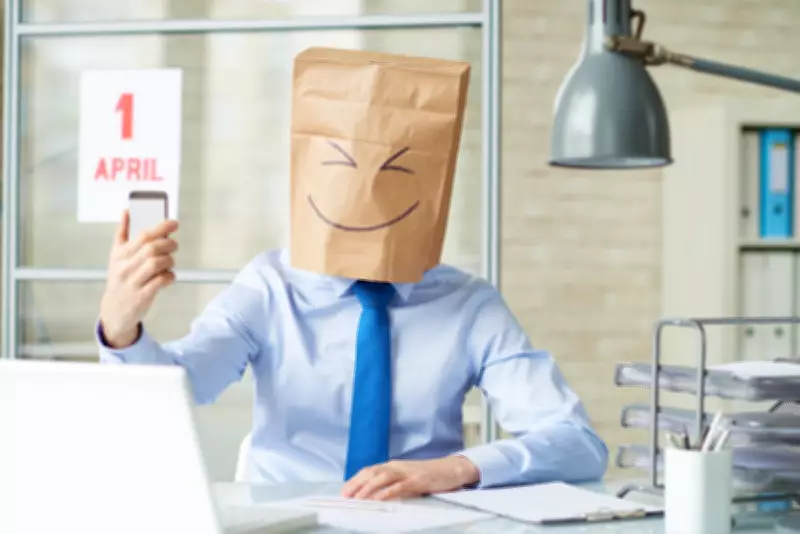
April Fools' Day stands as a unique tradition that has developed over centuries, granting people permission to engage in playful deception. While some pranks bring delight, others can cause distress and damage, particularly when executed on a large scale. Historians trace the origins of this mischief most likely to 16th-century France, following the transition from the Julian calendar to the Gregorian calendar.
Under the Julian system, the new year commenced on April 1, but with the adoption of the Gregorian calendar, the start shifted to January 1. Those who continued celebrating on April 1 were labeled "April fools" and often subjected to fools' errands. Folklorist Nancy Cassell McEntire notes examples such as being sent for a left-handed screwdriver, a bucket of striped paint, or a fallopian tube, highlighting the subversive nature of these early hoaxes.
Media Pranks and Their Impact
As broadcast media emerged in the 20th century, respectable organisations began participating in April Fools' Day capers. The BBC famously aired a segment in 1957 on its Panorama show, claiming Swiss farmers harvested pasta directly from trees, which is considered the first television April Fools' prank. Similarly, in Australia, the ABC's This Day Tonight program engaged in lighthearted deception, including reports on a fictional "Dial-O-Fish" device and a bogus story about the Sydney Opera House sinking into the harbour.

In 1975, the ABC announced Australia would switch to "metric time," featuring a ten-hour clockface and support from South Australian Deputy Premier Des Corcoran. These jokes were psychologically benign, with quick reveals to prevent real damage, but audiences reacted with mixed emotions—some amused, others upset or confused.
The Digital Revolution and Changing Perceptions
The key difference before and after the digital revolution lies in transformed production, platforms, and audiences. Historically, broadcast news audiences were large and trusting, gathering around television and radio sets each evening. Today, with everyone capable of filming and publishing stories via mobile phones, audiences are fractured and suspicious, amid a crisis of confidence in news due to misinformation.
Attention has become a scarce commodity on social media, where information lacks context, and short video clips, deep fakes, and fake news compete for space. April Fools' jests often backfire in this environment. For instance, ITV presenter Georgina Burnett faced backlash for a pregnancy prank that offended people struggling with fertility, while Queensland politician Ryan Murphy's post about Brisbane City Council annexing Redlands shire drew harsh criticism for its insensitivity.
Pranks in a Post-Truth World
Jests concerning personal sovereignty and safety rarely land well, especially when issued from authoritative sources. The era of the carefree Aussie larrikin has faded, replaced by a digitally-savvy public aware of entrenched inequality, scammers, and corruptible institutions. Onlookers are quicker to denounce lies and insensitivity, reflecting broader societal shifts. As April Fools' Day continues, the line between charming and harmful jokes remains thin, warranting careful consideration in media and politics.