In September 1991, a new boarding school student in the Midlands found himself in a harsh environment where confidence was king and quietness was seen as weakness. The author, who had always had a loud mind full of opinions and stories, felt dismissed under constant social scrutiny. Everything changed when he discovered the Stone Roses' 1989 debut album and, in particular, the guitar work of John Squire.
Discovering John Squire's Genius
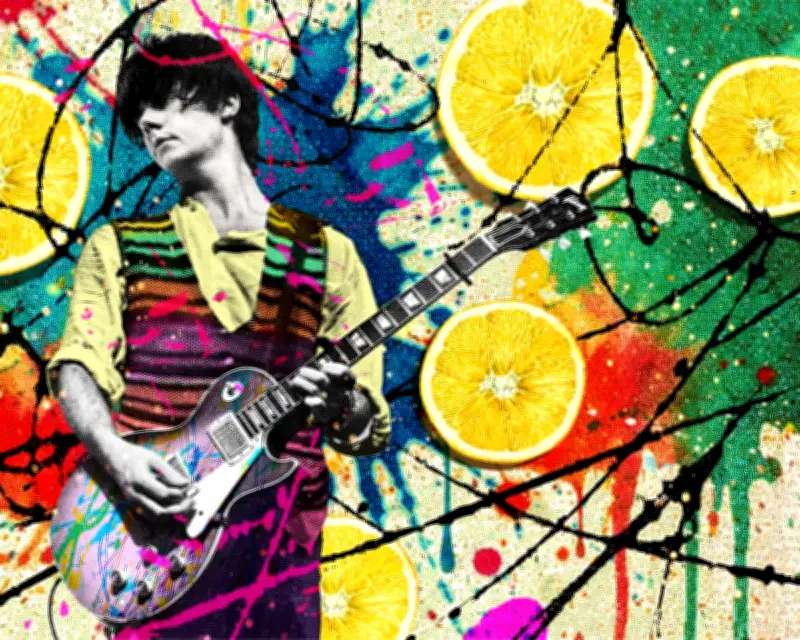
The author first noticed Squire's artistry on the album's sleeve art, which was paint-splashed and lemon-drizzled. Hearing the cascading, iridescent guitar solos, he assumed Squire was an extrovert axe hero, but the CD inlay revealed a different picture: a pipecleaner-skinny musician in Manchester streetwear, hidden behind a bird's-nest fringe, playing a Gretsch Country Gentleman without treating it like a penis extension.
Before YouTube, finding out more about Squire required digging through back issues of NME. The author learned that Squire was a sometime model-maker who worked on The Wind in the Willows, but also a child of 70s punk. When asked what the Roses were about, Squire's answer was: "Love and hate. War and peace. Morecambe and Wise …"
The Strength of Understatement
For the first time, the author realised that "quiet" could mean charismatic, insolent, snarky, and simmering with latent attitude. Through Squire, he discovered painting, modern history, fashion, and religion. Hearing the Roses at school became his ticket into a secret society of indie kids, and he picked up the guitar that same year, eventually writing about music for the press and playing in his own band.
Years later, when the author drove to Squire's Cheshire farmhouse for Guitarist Magazine, he worried the musician wouldn't speak. But Squire proved thoughtful, witty, and profound, signing the author's schoolboy-era guitar and giving him a parting hug.
Accepting Introversion
John Squire didn't change the author; he stopped him fighting himself. Under Squire's influence, he stopped trying to turn up the volume and accepted being an introvert. Fast-forward 35 years, and the Roses guitarist seems cooler for existing on his own terms, leaving something to the imagination, and treating Jonathan Ross with chilly disdain.