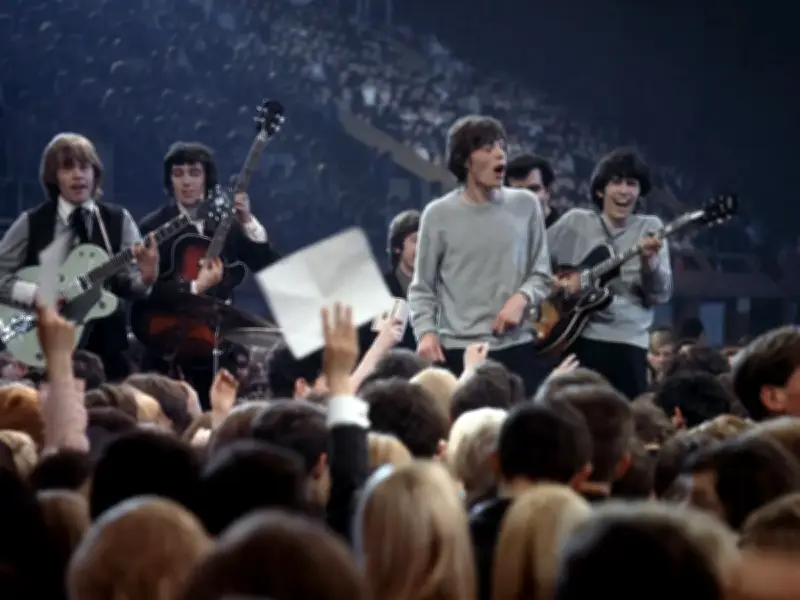
The Daily Mirror has published the first of a three-part series charting The Rolling Stones' rise to become one of the world's greatest bands. The series begins with a focus on the 1960s, examining each original band member, how they came together, and how their chemistry produced some of the most memorable songs of all time.
Mick Jagger once said in a 1975 interview with People magazine, “I’d rather be dead than sing Satisfaction when I’m 45.” More than 50 years later, and more than 60 years after the release of (I Can't Get No) Satisfaction, Jagger is still performing the song in his 80s.
From Scruffy Blues Musicians to Edgy Bad Boys
Initially, the Stones were unlikely stars. Deeply immersed in American blues and R'n'B, they were scruffy and unruly, contrasting sharply with the clean-cut image of The Beatles and other pop stars of the early 1960s. At first, they were put in suits and told to smarten up.
Then their manager, Andrew Loog Oldham, had a brainwave. If they couldn't compete with the besuited stars of the Merseybeat scene on their terms, they had to do something different. He reimagined them as edgy bad boys with long hair and mismatched clothing, a stark contrast to their early publicity shots from 1963-1964.
Songwriting and the Satisfaction Breakthrough
It wasn't just an image change that captured the public's imagination. After some early success, the band made their mark when they started writing their own songs instead of playing cover versions. The release of Satisfaction in 1965 confirmed their ability to write memorable, catchy rock songs and reinforced their bad boy reputation.
Hit singles and albums followed, forming an incredible body of work in the 1960s. In a few years, they went from covering Beatles songs to becoming their biggest rivals for the unofficial title of best band in the world.
The series looks at their development through the decade, their highs and lows as a band and as individuals, and takes a closer look at each major album they released in the 1960s, finishing with a look back at their 1960s legacy. The issue can be ordered online for delivery.