Montevideo's La Rueda de Candombe Draws Hundreds in Breakout Musical Finale
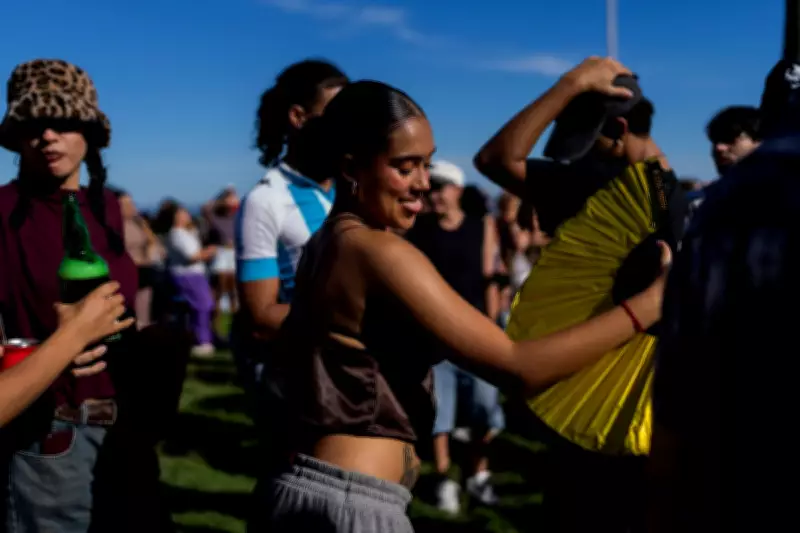
Every Monday night in the Uruguayan capital of Montevideo, hundreds of people pack into a public square, drawn by the infectious pulse of drums, guitars, and voices. This weekly gathering, known as La Rueda de Candombe, recently capped a breakout run with its final performance of the season at Plaza de España, celebrating a centuries-old rhythm that is central to the nation's identity.
From Casual Jam to Cultural Phenomenon
La Rueda de Candombe began as an informal jam session among friends but has rapidly evolved into one of Uruguay's most talked-about musical events. What started as something among friends became visible without us intending it, said Uruguayan producer Caleb Amado, one of the founders. The group's journey has taken them from local street corners in Montevideo to prestigious stages, including an invitation to represent Uruguay at the Cannes Film Festival in 2025.
The recent Sunday gathering featured six musicians performing candombe, a vibrant genre recognized by UNESCO as an Intangible Cultural Heritage of Humanity. The event brought together a diverse crowd, highlighting the music's deep roots in African traditions brought to the region in the 18th century.

Inspiration and Evolution
In the fall of 2024, Amado and his friend Rolo Fernández traveled to Rio de Janeiro, where they immersed themselves in rodas informal music circles where performers gather around a table. Inspired, they returned to Montevideo and formed La Rueda de Candombe with four other musicians. Like its Brazilian inspiration, the group performs around a table, but the sound is distinctly Uruguayan, driven by drums, guitar, and accordion.
Initially, nearly a hundred people squeezed into Santa Catalina, a small bar in Montevideo, to hear them play. Within months, growing crowds pushed the performances into nearby Plaza España. As popularity surged, vans filled with tourists began to arrive, and social media helped amplify the buzz, drawing prominent artists like Uruguayan singer-songwriter Jorge Drexler for collaborations.
A Cultural and Political Expression
Despite Montevideo's abundance of public spaces, including a 14-mile-long waterfront promenade, street performances are far less common than in cities like Buenos Aires or Rio de Janeiro. La Rueda de Candombe has filled this gap, becoming a fixture of social gatherings. Candombe itself has long served as a form of cultural and political expression, particularly during the 1960s and 1970s.
The music is built around three types of drums chico, repique, and piano and reaches its peak during carnival each February, when dozens of musical troupes called comparsas parade through the streets. By the mid-20th century, candombe had evolved, blending with jazz and popular music in a style known as candombe canción.
Future Plans and Expansion
As the colder months approach, Amado and Fernández plan to stay in Montevideo, with La Rueda not slowing down but preparing new projects. The Rueda is preparing new projects, including expanding into other public squares across the city, they said. This expansion aims to bring the vibrant sounds of candombe to even more audiences, solidifying its role in Uruguay's cultural landscape.
The event's success underscores the enduring appeal of candombe, which emerged from Plaza España the historic landing site where enslaved people from Africa used drum beats to sustain their rituals. Today, La Rueda de Candombe continues to honor this legacy while innovating for modern audiences.