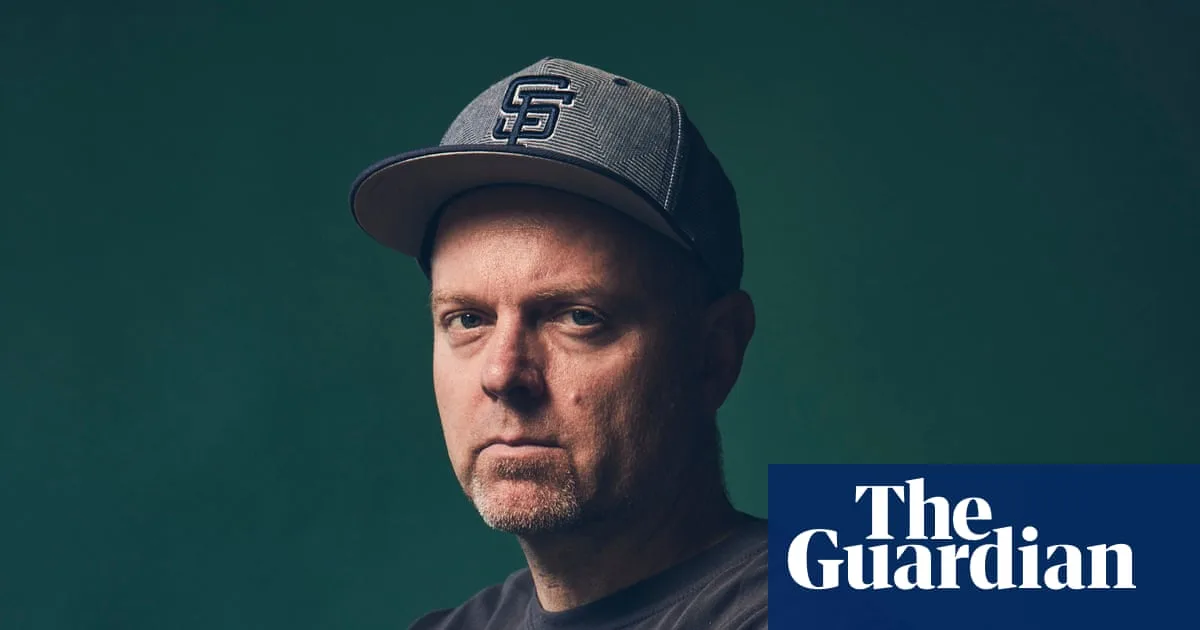
DJ Shadow, the pioneering hip-hop producer and crate-digger, has spoken about his creative evolution, the influence of Kraftwerk, and his concerns about artificial intelligence. In a wide-ranging interview, he reflected on missed opportunities, his shift away from sample-heavy production, and the enduring importance of record digging.
On the topic of regrets, Shadow recalled being approached by Deftones to work on their seminal album White Pony in 1999. He declined because he was wary of being associated with alternative or rock music at the time, a decision he describes as a 'missed opportunity' rather than a regret. 'I was nursing a hip-hop image and reputation,' he explained.
Shadow addressed his move towards sample-free production on recent albums, citing both the cost and hassle of sample clearance and a desire to keep his creative process fresh. 'I became known as somebody who was trying to be on the vanguard of making music with samples, but I always knew I would want to make music in as many different ways as possible,' he said. He emphasised that he has not abandoned samples entirely, but sees his evolution as natural and measured.

Regarding AI, Shadow expressed cautious optimism. 'I hope for the best and anticipate the worst,' he said, noting that AI feels different from any previous technological shift. 'I enjoy nature, I enjoy the real, tangible world... I'd hate to think that world can't coexist with whatever's on the horizon.'
Shadow also discussed the importance of record digging in the digital age, describing it as a curatorial act of discovering neglected music and sharing it with new audiences. He cited UK group Hijack as influential scratch DJs and noted that his approach to albums has been shaped by film, books, and art as much as by music.