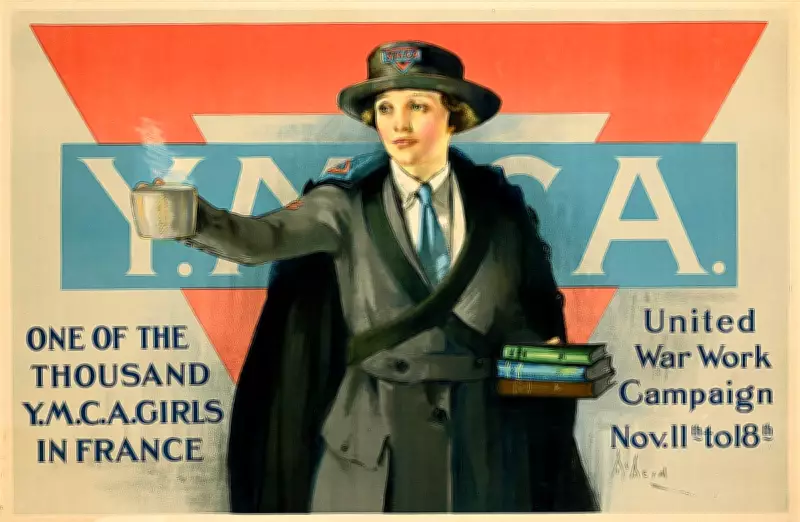
A new exhibition in New York, titled Reading Under Fire: Arming Minds & Hearts During Wartime, explores how books became a powerful symbol of freedom and democracy during the early 20th century. The showcase, on display at Poster House until 1 November, features colourful posters that encouraged the public to donate books to soldiers, highlighting the role of reading in resisting oppression.
Knowledge as a Weapon
The American Library Association (ALA) supplied millions of books to troops during the First World War, aiming to foster a lasting love for reading. Posters like Knowledge Wins (1918) by Dan Smith emphasised that literacy could open post-war opportunities. Similarly, the Saturday Review of Literature promoted reading during the Second World War to counter Nazi propaganda, as seen in the poster In a War-Torn World, Let Good Books Help YOU (c. 1942).
Resisting Nazi Book Burnings
One striking poster, The Nazis Burned These Books (1943), depicts the infamous 1933 book burning in Berlin. It urges Americans to read as a form of protest against Nazi censorship. Another, This is the Enemy (1943), created by Artists for Victory, portrays the Nazis as attackers of Christianity, part of a series designed to instil fear and motivate action.

Supporting Troops with Reading Material
During the First World War, organisations like the YMCA recruited over 3,000 women as welfare workers. Posters such as One of the Thousand YMCA Girls in France (1918) by Neysa McMein celebrated their role. The United War Work Campaign raised $200 million in 1918, with books in high demand as soldiers awaited return home. Even German troops enjoyed reading, as shown in the poster Gute Bücher-Gute Kameraden (1916), which translates to “Good Books–Good Comrades.”
The exhibition also highlights efforts to improve literacy among US troops, where an estimated 25% were illiterate or non-English speakers. Posters like Savings Are Like the Best Books (c. 1940) promoted libraries as a path to education and success.