Seattle's Pike Place Market hosted its first Day of the Dead celebration on Friday, October 23, with a day of music, dancing, and remembrance ahead of the traditional November festival. The event included mariachi musicians, folk dancers, and lucha libre wrestlers, offering visitors a chance to celebrate Mexican heritage and remember loved ones.
Festivities and Parade Through the Historic District
The celebrations continued into the evening with a parade through the market's historic district. The route took participants along Western Avenue, Lenora Street, and First Avenue before returning to Pike Place, with musicians and cultural performers joining the procession.
Pike Plaza hosted lucha libre, the Mexican style of professional wrestling, during the afternoon. The matches were part of a wider event that extended beyond the market's stalls into neighbouring streets, galleries, and public spaces.
Cultural Traditions and Community Altars
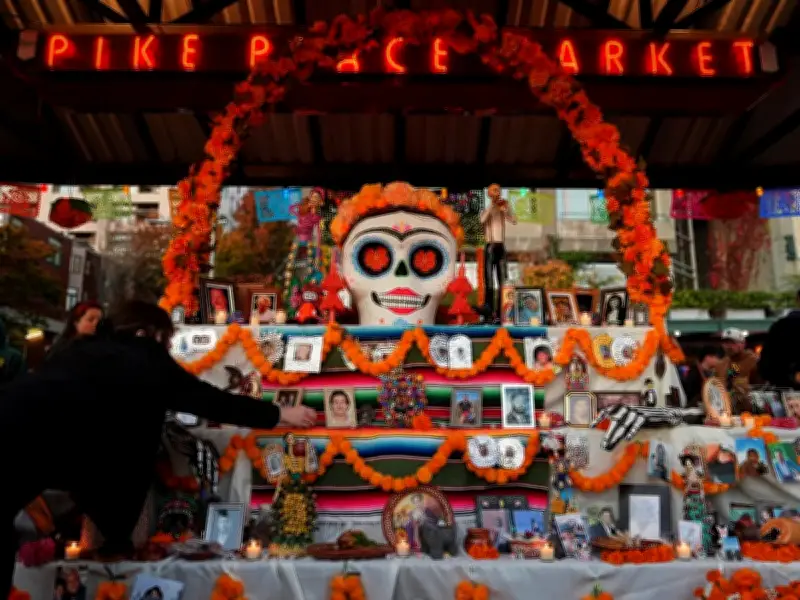
Day of the Dead, or Día de Muertos, is traditionally celebrated on November 1 and 2. Rooted in Mexican traditions, the festival brings families together to remember relatives and friends they have lost. Altars, known as ofrendas, are decorated with photographs and offerings in their memory, combining personal reflection with a celebration of their lives.
At Pike Place Market, community altars gave visitors a place to remember those they had lost. The programme also made room for people mourning animals, with Urban Animal and Evvi Aftercare organising a community pet ofrenda, inviting owners to submit photographs of pets who had died so they could be included in the display.
Music, Art, and Symbolism
Mariachi music and folklórico performances formed part of a programme that stretched from midday into the evening. The celebration also brought Mexican artists, makers, and businesses into the market, giving visitors opportunities to explore their work alongside the performances.
Catrina figures were among those included in the market's parade. The recognisable skeleton character has roots in the work of Mexican printmaker José Guadalupe Posada and has become closely associated with Day of the Dead celebrations.
Marigolds, known in Mexico as cempasúchil, are closely associated with the festival. Their bright petals and intense distinctive scent are believed to light and lead the spirits of loved ones from their resting places to their families' altars. The flowers are placed around altars and graves, sometimes forming paths.
Day of the Dead draws on Indigenous Mexican traditions and Catholic observances introduced by Europeans. Customs vary between communities, with families preparing food, decorating graves, and gathering in remembrance. UNESCO added the Indigenous festivity dedicated to the dead to its Representative List of the Intangible Cultural Heritage of Humanity in 2008.