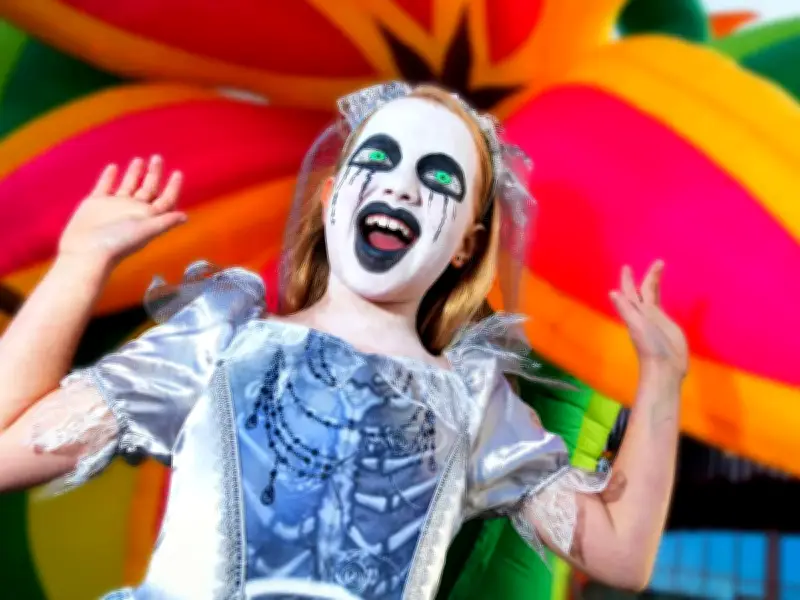
Ghouls and apparitions filled Swansea on Halloween for the colourful Spooks in the City: Día de los Muertos event. The free cultural celebration, run by Swansea Council with organisers ILA-Wales (Iberians & Latin Americans in Wales), transformed St David's Place into a vibrant scene of music and entertainment.
A Celebration of Tradition
Día de los Muertos, meaning Day of the Dead in Spanish, is traditionally observed around Halloween in Mexico and other parts of Latin America, with roots in indigenous and Christian Catholic traditions. The Swansea event on October 31 featured a packed programme of traditional dance performances and craft activities.
Visitors could try themed crafts such as decorating sugar skulls, masks, flower headpieces, and papel picado or papier mache. At the centre of the celebrations stood a community ofrenda (altar), a space for reflection and remembrance to help visitors understand the true meaning behind the holiday.
Performances and Activities
Throughout the day, fire dancers twirled batons and hoops, while contortionists and knife throwers performed with the Caravan of Lost Souls. Shadow puppet workshops with Tallulah Swirls and circus skills sessions with Organised Kaos allowed visitors to try juggling, diabolo and stilt walking.
Crowds browsed the spiritual market for Halloween-inspired gifts and joined in the festivities as St David's Place came to life.
Cultural Significance
The holiday, based in Christianity and indigenous Mesoamerican traditions, involves families gathering to remember friends and relatives who have died. It falls during Allhallowtide, around All Souls' Day and All Saints' Day, between 31 October and 2 November.
Some scholars note that pre-Columbian civilisations, including the Aztecs, had rituals honouring the dead that later became entwined with Catholic observance during colonisation. The event has become a highlight of Swansea's events calendar for people of all ages.