The Monochrome Migration: How British Commutes Became Seas of Beige
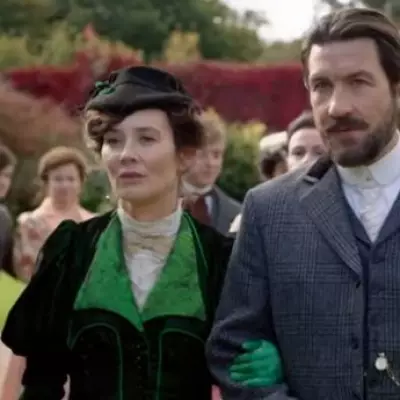
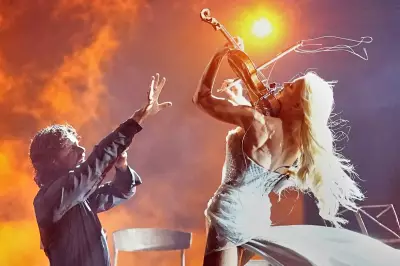
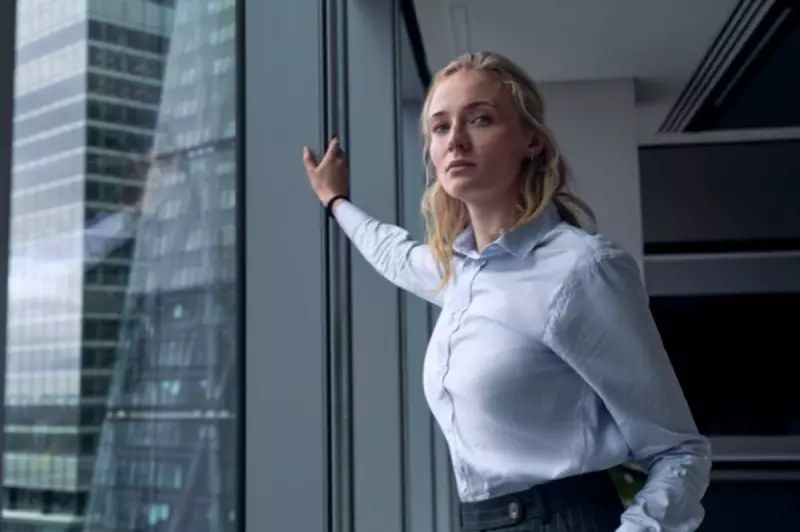
When Matthieu Blazy's inaugural Métiers d'Art collection for Chanel captivated fashion insiders in a disused New York subway station last month, the celebration of vibrant personalities and theatrical pieces stood in stark contrast to the visual reality of Britain's daily commutes. As Sophie Turner appears in Amazon's new corporate drama 'Steal', dressed in the same pale blue button-downs and trench coats that dominate real-world offices, a troubling question emerges: has bland workwear gained an unshakeable grip on our collective wardrobe?
The Northern Line Neutrals: A Visual Famine
At 7am on any London Monday morning, the Northern Line to Moorgate presents what fashion icon André Leon Talley once called "a famine of beauty." Finance professionals, marketing managers, and office workers of every stripe merge into a monochromatic shoal of moonfish, dressed almost exclusively in shades of grey, beige, navy, and white. The uniformity is so complete it becomes disorienting, creating identical silhouettes from South Wimbledon to Soho.
Personal stylist Manisha Sabharwal identifies multiple factors behind this phenomenon. "This could be a result of algorithm dressing," she explains. "The young professional demographic are consuming very similar content and therefore dressing alike. Plus, this uniform is easy to replicate and it's highly functional. It's made up of pieces people already have, so it's accessible to most."

The Economic Equation: Fashion in Austere Times
The current economic climate plays a significant role in our sartorial conservatism. "Those pieces are low-risk investment pieces," Sabharwal continues. "Right now, consumers are really avoiding any dangerous fashion purchases. But the claw clip, for example, is a quick, easy and dopamine-boosting purchase. It's very easy to justify it. Meanwhile, trench coats, white tees and tote bags are all considered very hard-working capsule wardrobe pieces."
This economic influence extends beyond clothing choices. Brunette hair colours gain popularity over blonde because they require less frequent maintenance. Hemlines lengthen, high heels elevate, and "clean girl" nude-toned manicures become ubiquitous because they can grow out unnoticed for weeks. Even lipstick sales follow Leonard Lauder's famous observation from 2001, with small, affordable treats becoming more popular during financially constrained periods.
The Psychological Impact: When Clothes Affect Mood
Research suggests this visual monotony may have psychological consequences. Phenomenological studies indicate that wearing outfits people describe as "happy" can correlate with improved well-being, positive emotion, and a stronger sense of identity. However, the crucial factor is authenticity - participants needed to feel genuine in their clothing choices. Discomfort or dressing in ways that don't align with self-identity can create emotional tension and incongruence.
"Adopting any uniform style saves you time and decision-making," Sabharwal notes. "In times of constant overload, having a simple go-to outfit formula may feel like quite a welcome relief, just one less thing to think about." This approach echoes tech pioneers like Steve Jobs, who famously wore his black turtleneck, blue jeans, and New Balance trainers daily to conserve mental energy for more important decisions.
The Weekend Spillover: When Office Wear Invades Leisure Time
The blandification isn't confined to working hours. Similar to millennials wearing peplum tops and blazers to clubs in the early 2010s, many Gen Z individuals now dress more for boardroom meetings than pub visits during their nights out. Blazer dresses and neutral tones have invaded social spaces, with even former fast-fashion brand PrettyLittleThing rebranding towards business casual aesthetics last March.
This lack of sartorial distinction between work and leisure reflects what Pantone's colour of the year selection - the stark white "Cloud Dancer" - symbolises: a profound absence of occasion-specific dressing.

The Pendulum Prepares to Swing: Colour's Impending Return
Historical patterns suggest this monochrome moment cannot last indefinitely. Following the First World War came the vibrant Twenties; the polished glamour of the Fifties emerged from the Second World War's austerity. The neon-bright Eighties followed the Seventies' stagnation, while Nineties grunge and maximalism appeared as the Cold War concluded.
After recovery from the 2008 financial crash came dopamine dressing's gradual ascent, culminating in the cow print-dominated post-pandemic liberation of the early 2020s. We appear due for another expressive shift, with Blazy's Chanel collection perhaps heralding the change.
Sabharwal offers practical suggestions for those seeking to inject personality into their capsule wardrobes: "I recommend tying scarves to the handles of bags and using brooches to tailor jackets and trousers in interesting ways." Yet even these tips often reach consumers through the same algorithmic channels that created the uniformity problem.
The greatest fashion trend for 2026 might ultimately be original thought itself - the conscious decision to break from the beige brigade and rediscover personal expression through clothing. As the vibrancy pendulum prepares to swing back, expect shoulder pads, statement skirts, bold jewellery, animal prints, and daytime sparkles to gradually replace the current sea of neutrals on Britain's commuter routes.